Introduction
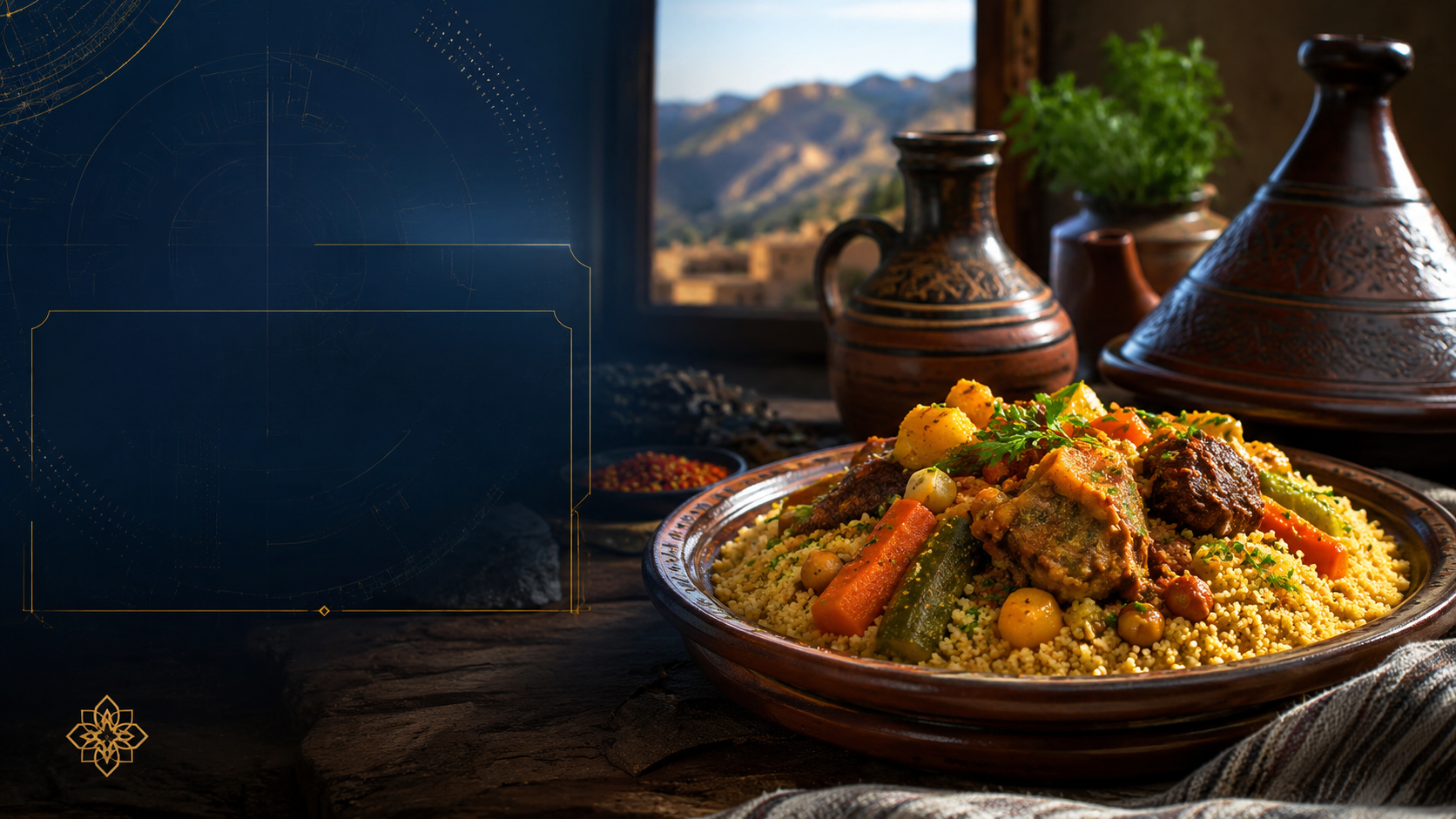
Few foods manage to carry centuries of history while remaining remarkably relevant on contemporary tables. Kouskousi is one of those rare culinary traditions. Although many people encounter the term while searching for couscous or exploring Mediterranean and North African cuisine, they often discover that kouskousi represents something larger than a simple side dish.
It speaks of family gatherings, inherited cooking techniques, regional identity, and a way of preparing food that values patience and shared experiences. In Morocco, Algeria, Tunisia, and neighboring regions, generations have gathered around steaming platters of kouskousi, turning ordinary ingredients into memorable meals.
At first glance, it appears uncomplicated—small granules accompanied by vegetables, meat, spices, or broth. Yet its simplicity hides extraordinary versatility. It can be comforting and rustic or elegant enough for modern restaurants. It works equally well with lamb and seasonal vegetables or in contemporary vegetarian dishes.
For curious home cooks, food historians, and lovers of global cuisine, understanding kouskousi means exploring a tradition that has survived centuries without losing its essence. Whether you’re wondering what the term means, how it differs from couscous, or how to prepare it properly, this guide answers the questions most people have and uncovers the deeper story behind this beloved dish.
What Is Kouskousi?
Kouskousi is a traditional dish made from tiny granules of semolina derived from durum wheat. Although commonly mistaken for a grain, it is technically a form of pasta.
Its defining characteristics include:
- Light texture
- Mild, nutty flavor
- Excellent absorption of sauces and broths
- Versatility across countless recipes
The name “kouskousi” is often used interchangeably with “couscous,” particularly in regional dialects and cultural contexts.
Quick Facts About Kouskousi
| Feature | Description |
|---|---|
| Main Ingredient | Durum wheat semolina |
| Type | Small pasta |
| Origin | North Africa |
| Flavor | Mild and slightly nutty |
| Common Pairings | Vegetables, lamb, chicken, fish, chickpeas |
| Traditional Cooking Method | Steaming |
| Dietary Type | Vegetarian-friendly (depending on recipe) |
| Contains Gluten | Yes |
The Origins of Kouskousi
Food historians generally trace kouskousi back to Amazigh (Berber) communities in North Africa. Archaeological evidence and historical references suggest that forms of couscous existed centuries ago.
The word itself originates from the Berber term meaning “well rolled” or “properly formed,” describing the careful process used to create the tiny granules.
Over time, kouskousi spread through:
- Morocco
- Algeria
- Tunisia
- Libya
- Mauritania
Trade routes and migration eventually introduced it to Europe and beyond.
Today, it appears in homes and restaurants worldwide, yet its roots remain unmistakably North African.
Why Kouskousi Is More Than Food
Many traditional dishes nourish people. Kouskousi nourishes communities.
In numerous households, it symbolizes:
Family Unity
Large shared platters encourage communal dining and conversation.
Hospitality
Serving guests kouskousi is often viewed as an expression of generosity.
Celebration
It commonly appears during:
- Weddings
- Religious holidays
- Friday family meals
- Community gatherings
Cultural Identity
Recipes vary between regions and families, creating a strong sense of heritage.
Food traditions survive because they become attached to memories. Kouskousi carries stories as much as flavor.
Is Kouskousi the Same as Couscous?
This is one of the most frequently asked questions.
The Short Answer
Yes.
Kouskousi and couscous refer to essentially the same food, though spelling and pronunciation vary between cultures and languages.
Differences people notice usually come from:
- Granule size
- Regional cooking techniques
- Accompanying ingredients
- Local spices
The foundation remains the same: steamed semolina granules.
Traditional Ingredients Used in Kouskousi
Though recipes differ from region to region, certain ingredients appear repeatedly.
Semolina
The base ingredient responsible for the signature texture.
Vegetables
Common additions include:
- Carrots
- Zucchini
- Turnips
- Tomatoes
- Pumpkin
- Onion
Legumes
Chickpeas are particularly popular because they add protein and richness.
Proteins
Traditional versions often contain:
- Lamb
- Chicken
- Beef
- Fish
Vegetarian adaptations are equally common.
Spices
Flavor typically comes from:
- Cumin
- Coriander
- Turmeric
- Cinnamon
- Paprika
- Harissa
How Kouskousi Is Traditionally Prepared
Traditional preparation requires patience.
Moistening the Semolina
The grains are carefully hydrated and separated by hand.
Steaming
A special two-level pot called a couscoussier is used.
The lower chamber cooks broth or stew, while steam rises to cook the grains above.
Repeating the Process
The grains are removed, fluffed, and steamed again several times.
This process creates:
- Light texture
- Individual grains
- Rich aroma
The difference between mediocre and exceptional kouskousi often lies in this repeated steaming.
Regional Variations of Kouskousi
Moroccan Style
Known for:
- Lamb
- Carrots
- Chickpeas
- Saffron
- Sweet notes
Algerian Style
Often richer and heartier.
Popular additions include:
- Meatballs
- Root vegetables
- Tomato-based sauces
Tunisian Style
Recognized for its heat.
Harissa and chili peppers create bold flavors.
Mediterranean Variations
European adaptations frequently include:
- Seafood
- Olive oil
- Herbs
- Fresh vegetables
Nutritional Value of Kouskousi
Many people underestimate its nutritional profile.
Nutrients Found in Kouskousi
- Complex carbohydrates
- Selenium
- Protein
- B vitamins
- Iron
- Magnesium
Whole wheat versions provide more fiber and nutrients.
Average Nutrition Per Cup
| Nutrient | Approximate Amount |
| Calories | 175–200 |
| Protein | 6 grams |
| Carbohydrates | 36 grams |
| Fat | Less than 1 gram |
| Fiber | 2–5 grams |
Health Benefits of Kouskousi
Provides Energy
Its carbohydrates release energy steadily.
Supports Digestion
Whole-grain versions contribute dietary fiber.
Contains Antioxidant Minerals
Selenium plays an important role in immune function.
Works With Balanced Diets
Kouskousi pairs naturally with:
- Vegetables
- Lean proteins
- Legumes
This makes it suitable for many healthy meal plans.
How Modern Chefs Use Kouskousi
Contemporary cuisine has embraced kouskousi in creative ways.
Examples include:
Mediterranean Bowls
Combined with:
- Roasted vegetables
- Tahini dressing
- Chickpeas
Seafood Plates
Served with:
- Grilled salmon
- Shrimp
- Lemon sauces
Vegan Recipes
Enhanced with:
- Mushrooms
- Lentils
- Herbs
Cold Salads
Popular additions include:
- Cucumbers
- Tomatoes
- Mint
- Feta cheese
Its versatility explains why chefs continue reinventing it.
Simple Homemade Kouskousi Recipe
Ingredients
- 1 cup couscous
- 1 cup vegetable broth
- 1 tablespoon olive oil
- ½ teaspoon cumin
- 1 carrot
- 1 zucchini
- ½ onion
- Chickpeas
- Salt and pepper
Directions
Step 1
Bring broth to a boil.
Step 2
Pour over couscous.
Step 3
Cover and let rest for 5 minutes.
Step 4
Fluff with a fork.
Step 5
Sauté vegetables separately.
Step 6
Combine everything and season.
The result is a simple but satisfying meal.
Common Misconceptions About Kouskousi
Myth: It Is a Grain
Reality:
It is actually a type of pasta.
Myth: It Is Always Spicy
Reality:
Spice levels depend entirely on regional preferences.
Myth: Only Meat-Based Versions Are Authentic
Reality:
Vegetarian preparations have existed for centuries.
Myth: It Is Unhealthy
Reality:
Its nutritional value depends on ingredients and portion size.
Expert Perspective: Why Kouskousi Endures
Many ancient foods disappear when lifestyles change. Kouskousi has adapted instead.
Three reasons explain its longevity:
Simplicity
Few ingredients are required.
Versatility
It complements nearly every cuisine.
Emotional Value
People associate it with family traditions and celebrations.
Food historians often note that dishes survive when they become part of identity rather than mere sustenance. Kouskousi fits that description perfectly.
Practical Tips for Better Kouskousi
Use Broth Instead of Water
This dramatically improves flavor.
Fluff Gently
Never compress the grains.
Add Olive Oil
It prevents sticking and adds richness.
Pair With Vegetables
Balanced meals taste better and provide more nutrients.
Experiment With Herbs
Fresh mint, parsley, and cilantro work beautifully.
Beginner Mistakes to Avoid
Overcooking
Excess moisture creates mushy texture.
Skipping Rest Time
Resting allows the grains to absorb liquid properly.
Underseasoning
Kouskousi benefits from herbs and spices.
Using Too Much Liquid
The correct ratio matters.
Kouskousi vs Rice vs Quinoa
| Feature | Kouskousi | Rice | Quinoa |
| Texture | Light | Soft | Slightly crunchy |
| Protein | Moderate | Low | High |
| Cooking Time | Fast | Moderate | Moderate |
| Fiber | Moderate | Low | High |
| Gluten-Free | No | Yes | Yes |
| Flavor | Mild | Neutral | Nutty |
Why Kouskousi Continues to Gain Popularity
Modern consumers increasingly seek foods that combine:
- Tradition
- Convenience
- Nutrition
- Cultural authenticity
Kouskousi satisfies all four.
It can be prepared quickly, adapted endlessly, and enjoyed by people with very different culinary preferences.
Its story reflects something larger: traditional foods don’t disappear when they evolve thoughtfully.
Frequently Asked Questions
What is kouskousi?
Kouskousi is a traditional North African dish made from steamed semolina granules and often served with vegetables, meats, or flavorful broths.
Is kouskousi the same as couscous?
Yes. The names differ mainly because of regional spelling and pronunciation.
Is kouskousi healthy?
It can be part of a balanced diet and provides carbohydrates, protein, selenium, and vitamins.
Is kouskousi gluten-free?
No. Traditional kouskousi is made from wheat and contains gluten.
Can vegetarians eat kouskousi?
Absolutely. Vegetable and chickpea versions are widely enjoyed.
What does kouskousi taste like?
It has a mild, slightly nutty flavor that absorbs surrounding ingredients beautifully.
How long does it take to cook?
Instant versions require about 5–10 minutes, while traditional steaming methods take considerably longer.
Which country is famous for kouskousi?
Morocco, Algeria, Tunisia, and other North African nations are particularly associated with this culinary tradition.
Can kouskousi be served cold?
Yes. It is commonly used in salads and Mediterranean dishes.
Why has kouskousi remained popular for centuries?
Its versatility, cultural significance, and comforting nature have helped it remain relevant across generations.
Final Thoughts
Kouskousi may appear humble, but its influence stretches across centuries and continents. What began as a practical staple became a symbol of hospitality, heritage, and togetherness. Whether prepared through traditional steaming techniques or adapted for modern kitchens, its appeal remains rooted in something timeless: simple ingredients transformed with care.
That enduring balance between history and everyday enjoyment explains why kouskousi continues to earn a place on tables around the world.
About the Author




1 thought on “Kouskousi: History, Meaning, Traditional Recipes, and Why This Ancient Dish Still Captivates Modern Kitchens”