Introduction
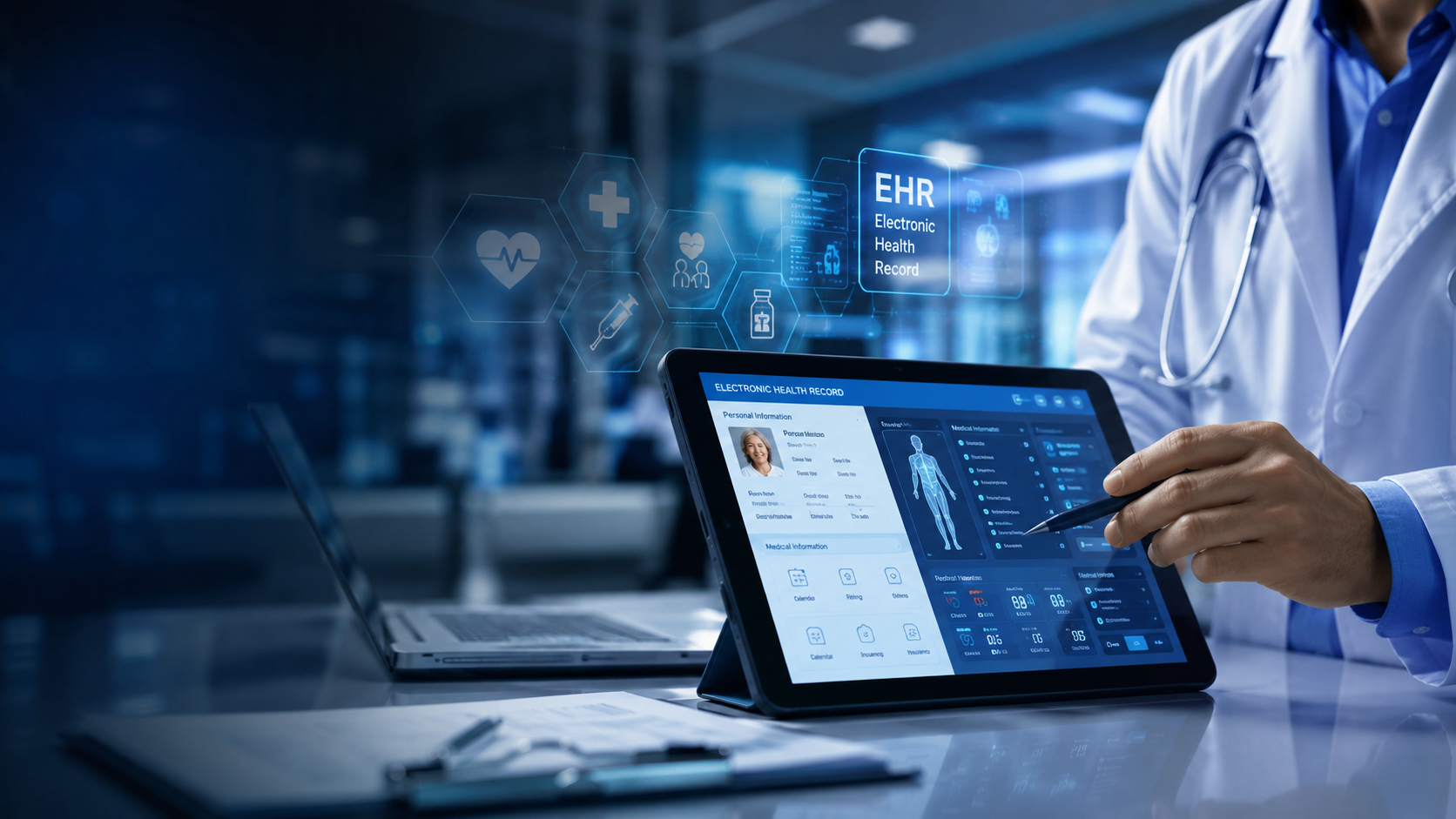
Electronic Health Records (EHRs) have transformed from simple digital versions of paper charts into the operational backbone of modern healthcare. What began as a push toward digitization has evolved into a sophisticated ecosystem that supports clinical decision-making, patient engagement, interoperability, population health management, artificial intelligence, and regulatory compliance.
For healthcare providers, administrators, technology vendors, policymakers, and patients, staying informed about EHR news is no longer optional. The industry moves quickly. New regulations emerge. Artificial intelligence capabilities expand. Cybersecurity threats become more sophisticated. Interoperability standards continue to mature. Meanwhile, healthcare organizations face growing pressure to improve patient outcomes while reducing costs and administrative burdens.
The search for “EHR news” typically reflects a need to understand what’s changing in the healthcare technology landscape. Some readers want updates on major EHR vendors. Others seek insights into regulatory changes, AI integration, interoperability developments, cybersecurity concerns, or future trends that could affect healthcare delivery.
The challenge is that EHR news often appears fragmented. One publication focuses on technology. Another highlights policy changes. Vendor announcements may emphasize innovation while overlooking implementation challenges. Healthcare leaders need a broader perspective that connects these developments into a coherent picture.
This comprehensive guide examines the most important trends shaping EHR systems today, analyzes major industry developments, explores emerging technologies, and provides expert insights into what healthcare organizations should expect in the coming years.
What Is an EHR and Why Does EHR News Matter?
An Electronic Health Record is a digital repository of patient information that includes:
- Medical history
- Diagnoses
- Medications
- Treatment plans
- Laboratory results
- Imaging reports
- Immunization records
- Clinical notes
- Billing information
Unlike standalone electronic medical records (EMRs), modern EHR systems are designed to facilitate information sharing across healthcare organizations and care settings.
Why Following EHR News Is Important
Healthcare technology impacts nearly every aspect of patient care.
Changes in EHR systems can influence:
| Area | Impact |
|---|---|
| Clinical Care | Better decision support and patient safety |
| Operations | Improved workflow efficiency |
| Compliance | Adherence to evolving regulations |
| Revenue Cycle | More accurate billing and reimbursement |
| Patient Experience | Enhanced communication and engagement |
| Data Security | Protection against cyber threats |
| Population Health | Better analytics and reporting |
A single regulatory update or technological innovation can significantly alter how hospitals, clinics, and health systems operate.
Major EHR Industry Trends Dominating the Headlines
Artificial Intelligence Integration in EHR Systems
Perhaps the most significant trend in recent EHR news is the rapid integration of artificial intelligence.
Healthcare providers increasingly face documentation overload. Physicians often spend hours completing clinical notes, managing records, and performing administrative tasks.
AI-powered EHR capabilities are emerging to address these challenges.
Key AI Applications
Ambient Clinical Documentation
AI listens to patient-provider conversations and automatically generates clinical notes.
Benefits include:
- Reduced physician burnout
- Less administrative burden
- More patient interaction
- Improved documentation consistency
Clinical Decision Support
AI can analyze patient data and provide:
- Risk assessments
- Treatment recommendations
- Early warning alerts
- Diagnostic assistance
Predictive Analytics
Modern EHR platforms can identify:
- High-risk patients
- Potential readmissions
- Disease progression patterns
- Preventive care opportunities
Expert Perspective
The healthcare industry is moving beyond simple automation. The newest generation of AI-enhanced EHR systems aims to become active clinical assistants rather than passive record repositories.
Interoperability Remains a Top Priority
One of healthcare’s longest-running challenges is ensuring different systems can communicate effectively.
Interoperability refers to the secure exchange of health information across organizations and platforms.
Why It Matters
Patients often receive care from:
- Primary care physicians
- Specialists
- Hospitals
- Laboratories
- Pharmacies
- Telehealth providers
Without interoperability, critical information may remain siloed.
Recent Developments
Industry attention continues to focus on:
- FHIR (Fast Healthcare Interoperability Resources)
- API-based data exchange
- Health information networks
- National interoperability frameworks
Healthcare organizations increasingly demand seamless data sharing that supports coordinated care.
Cybersecurity Threats and EHR Protection
Cybersecurity remains one of the most discussed topics in EHR news.
Healthcare organizations are prime targets because medical records contain valuable personal and financial information.
Common Threats
- Ransomware attacks
- Phishing campaigns
- Insider threats
- Data breaches
- Credential theft
Consequences
A successful attack can result in:
- Operational disruptions
- Regulatory penalties
- Financial losses
- Reputational damage
- Delayed patient care
Emerging Security Strategies
Healthcare organizations are investing in:
- Zero-trust architectures
- Multi-factor authentication
- Endpoint monitoring
- Real-time threat detection
- Security awareness training
Cybersecurity is increasingly viewed as a patient safety issue rather than merely an IT concern.
The Rise of Patient-Centered EHR Systems
Healthcare is shifting toward patient empowerment.
Modern EHR platforms increasingly support:
- Online appointment scheduling
- Secure messaging
- Access to medical records
- Prescription management
- Telehealth integration
Patient Portals Continue to Evolve
Today’s patient portals offer significantly more functionality than earlier versions.
Patients can:
- Review lab results
- Download records
- Track chronic conditions
- Manage family health information
- Communicate with providers
The trend reflects a broader movement toward transparency and patient engagement.
Cloud-Based EHR Solutions Continue to Expand
Traditional on-premises systems are gradually giving way to cloud-based alternatives.
Advantages of Cloud EHRs
Scalability
Organizations can expand resources as needed.
Lower Infrastructure Costs
Reduced hardware requirements decrease capital expenditures.
Automatic Updates
Vendors can deploy improvements more efficiently.
Remote Accessibility
Clinicians can securely access records from multiple locations.
Challenges
Despite the benefits, concerns remain regarding:
- Data residency requirements
- Vendor dependence
- Internet reliability
- Security controls
Healthcare leaders must carefully evaluate these tradeoffs before migrating systems.
EHR Vendor Competition and Market Evolution
The EHR market remains highly competitive.
Major vendors continue investing heavily in:
- AI capabilities
- Interoperability tools
- Analytics platforms
- Patient engagement solutions
- Revenue cycle management
What Buyers Are Looking For
Healthcare organizations increasingly prioritize:
Usability
Poor user experience contributes to clinician frustration.
Integration
Systems must connect with existing technologies.
Analytics
Advanced reporting capabilities are essential.
Regulatory Compliance
Healthcare organizations require continuous compliance support.
Vendor Stability
Long-term viability remains a critical selection factor.
How Regulatory Changes Shape EHR Development
Healthcare technology is heavily influenced by government policies and industry regulations.
Key Areas of Regulatory Focus
Data Privacy
Organizations must protect sensitive patient information.
Information Blocking
Providers are expected to facilitate appropriate data sharing.
Quality Reporting
EHR systems play a central role in reporting healthcare outcomes.
Value-Based Care
Technology increasingly supports performance measurement and population health management.
Transparency Requirements
Patients expect greater access to healthcare information.
Regulatory developments often drive major EHR software updates and feature enhancements.
Telehealth and EHR Convergence
The rapid adoption of telehealth has permanently changed healthcare delivery.
As virtual care becomes routine, EHR systems increasingly integrate telehealth functionality.
Integrated Telehealth Features
Modern EHR platforms now support:
- Virtual appointments
- Video consultations
- Electronic prescribing
- Remote documentation
- Follow-up communications
Benefits
Integrated systems eliminate the need to switch between multiple applications, creating a more seamless clinical workflow.
The Growing Role of Data Analytics in EHR Systems
Healthcare organizations generate enormous amounts of data.
The challenge is converting that information into actionable insights.
Key Analytics Applications
Population Health Management
Organizations identify trends across patient populations.
Risk Stratification
Patients can be categorized according to risk profiles.
Clinical Quality Improvement
Analytics help identify gaps in care.
Financial Optimization
Revenue cycle performance becomes easier to monitor.
Operational Efficiency
Administrators gain visibility into workflow bottlenecks.
The future of EHR systems is increasingly tied to advanced analytics capabilities.
Physician Burnout and EHR Optimization
One recurring topic in EHR news is physician burnout.
Many clinicians report spending substantial time documenting care.
Common Frustrations
- Excessive clicks
- Complex workflows
- Alert fatigue
- Documentation burden
- Poor interface design
Emerging Solutions
Healthcare organizations are adopting:
- AI scribes
- Workflow redesign
- Voice recognition
- Automation tools
- Improved user training
The focus has shifted from merely digitizing records to improving clinician experience.
EHR News and Healthcare Consumer Expectations
Patients increasingly expect healthcare experiences that resemble modern digital services.
They want:
- Mobile access
- Fast communication
- Transparent information
- Digital scheduling
- Online payments
Healthcare providers are responding by enhancing EHR-connected patient engagement platforms.
The organizations that adapt successfully are often better positioned to improve satisfaction and retention.
Future EHR Trends to Watch
The next generation of EHR technology will likely focus on several key areas.
AI-Powered Clinical Workflows
Artificial intelligence will become more deeply embedded throughout clinical processes.
Personalized Medicine
EHR systems will increasingly incorporate genetic and precision medicine data.
Real-Time Decision Support
Advanced analytics will provide contextual guidance during patient encounters.
Expanded Interoperability
Data exchange across organizations will continue improving.
Automation
Routine administrative tasks will become increasingly automated.
Digital Front Door Experiences
Patients will engage through integrated digital platforms that combine scheduling, communication, records access, and care management.
Common Myths About EHR Systems
Myth 1: EHRs Automatically Improve Care
Technology alone does not improve outcomes.
Success depends on implementation, training, workflow design, and organizational culture.
Myth 2: Interoperability Has Been Fully Solved
Progress has been significant, but many challenges remain.
Data exchange continues to be an evolving process.
Myth 3: Cloud EHRs Are Less Secure
Security depends more on architecture, governance, and operational practices than deployment location.
Myth 4: AI Will Replace Clinicians
AI is positioned as an augmentation tool rather than a replacement for healthcare professionals.
Clinical judgment remains essential.
Practical Checklist for Healthcare Organizations Following EHR News
Use this framework to evaluate developments in the EHR industry.
Strategic Checklist
Monitor regulatory updates regularly
Assess cybersecurity readiness
Evaluate AI opportunities carefully
Prioritize interoperability initiatives
Focus on clinician usability
Strengthen patient engagement capabilities
Review vendor roadmaps
Invest in workforce training
Develop long-term digital transformation strategies
Measure outcomes continuously
Mini Case Study: A Modern Health System’s EHR Transformation
Consider a regional health network struggling with physician burnout, fragmented patient data, and inefficient workflows.
The organization implemented:
- Cloud-based EHR infrastructure
- AI-assisted documentation
- Enhanced interoperability tools
- Integrated telehealth services
- Advanced analytics dashboards
Results
The network experienced:
- Faster documentation completion
- Better care coordination
- Improved patient satisfaction
- Enhanced operational visibility
- Reduced administrative burden
The lesson is clear: technology creates value when aligned with clinical and organizational goals.
Expert Analysis: Where the EHR Industry Is Heading
The most significant shift in healthcare technology is not simply digitization. That phase has largely occurred.
The industry is now entering an intelligence-driven era.
EHR platforms are evolving into comprehensive healthcare operating systems that combine:
- Clinical workflows
- Data analytics
- Artificial intelligence
- Patient engagement
- Revenue management
- Population health tools
Organizations that view EHRs as strategic assets rather than compliance requirements are likely to gain substantial advantages in quality, efficiency, and patient experience.
The next decade will be defined by how effectively healthcare organizations leverage the data already residing within their EHR environments.
Frequently Asked Questions (FAQ)
What does EHR stand for?
EHR stands for Electronic Health Record, a digital system used to store and manage patient health information across healthcare settings.
Why is EHR news important?
EHR news helps healthcare professionals, administrators, and technology leaders stay informed about regulatory changes, innovations, cybersecurity risks, and industry trends.
How is AI changing EHR systems?
AI is improving documentation, clinical decision support, predictive analytics, workflow automation, and patient care coordination.
What is interoperability in healthcare?
Interoperability is the ability of different healthcare systems and applications to exchange and use patient information securely and effectively.
Are cloud-based EHR systems secure?
Cloud-based EHR systems can be highly secure when implemented with strong cybersecurity controls, encryption, monitoring, and compliance frameworks.
What are the biggest challenges facing EHR systems?
Major challenges include clinician burnout, cybersecurity threats, interoperability barriers, regulatory compliance, and workflow complexity.
How do EHRs support telehealth?
Modern EHRs integrate scheduling, video visits, documentation, e-prescribing, and patient communication into a unified platform.
What role do analytics play in EHRs?
Analytics help organizations improve clinical outcomes, identify high-risk patients, optimize operations, and support population health initiatives.
Will AI replace healthcare providers?
No. AI is designed to assist clinicians by reducing administrative work and providing insights, while human expertise remains central to patient care.
What is the future of EHR technology?
Future EHR systems will feature deeper AI integration, enhanced interoperability, personalized medicine capabilities, automation, predictive analytics, and improved patient engagement tools.
Final Thoughts
The most important EHR news stories are no longer just about software upgrades or vendor announcements. They reflect broader shifts in healthcare itself. Artificial intelligence is reshaping documentation. Interoperability is breaking down information silos. Cybersecurity has become a clinical priority. Patients expect digital experiences that match other industries.
Healthcare organizations that stay informed, adapt strategically, and invest in modern EHR capabilities are better positioned to improve care quality, operational efficiency, clinician satisfaction, and patient outcomes. As the industry continues its transition toward data-driven, connected healthcare, EHR systems will remain at the center of nearly every major innovation shaping the future of medicine.
About the Author




1 thought on “EHR News 2026: Latest Electronic Health Record Trends, Innovations, Challenges, and Industry Updates”