Introduction
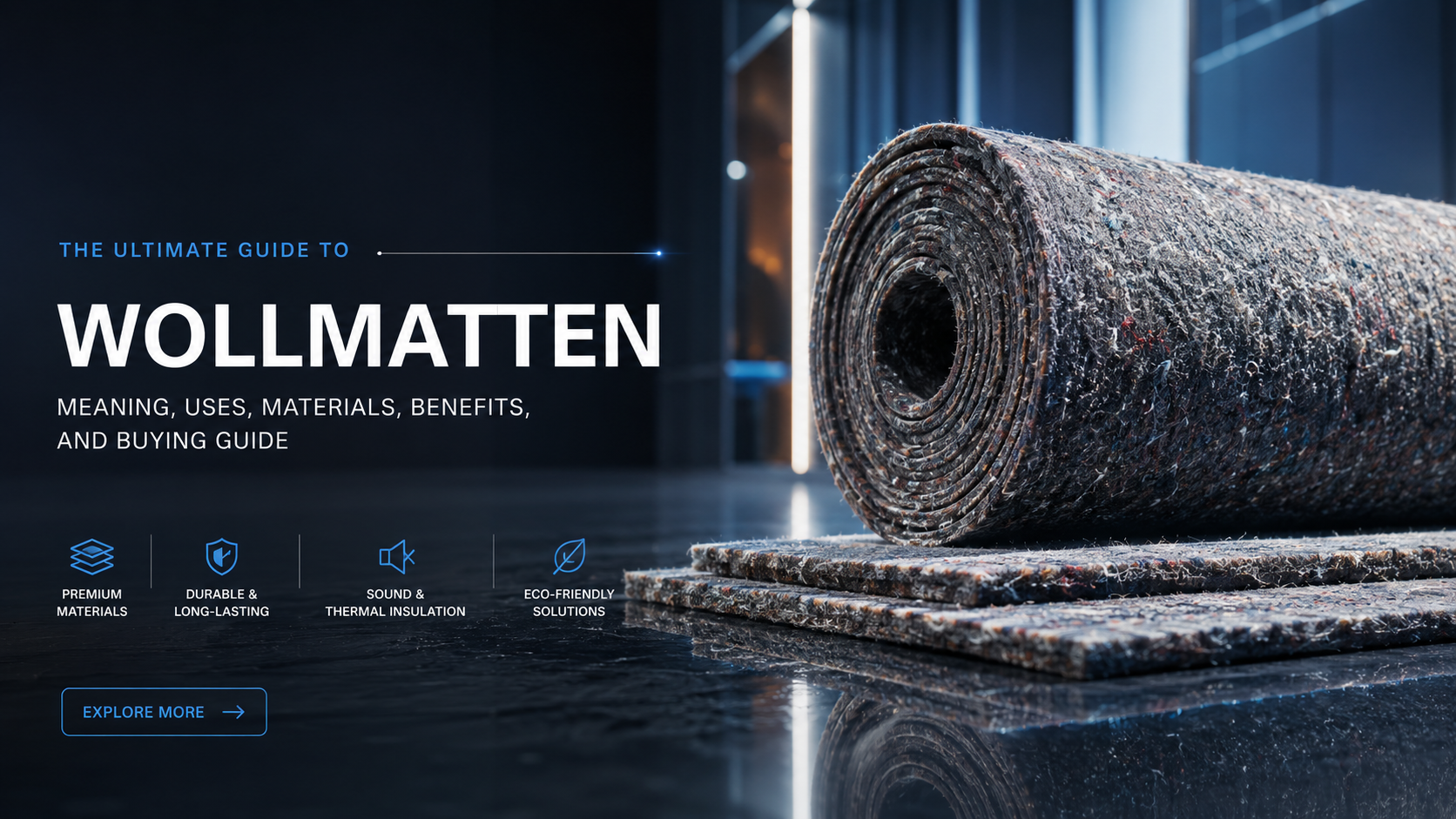
The word “Wollmatten” may look unfamiliar to many English speakers, yet it represents a practical and increasingly appreciated category of natural textile products. Derived from German, Wollmatten literally translates to wool mats. Depending on the context, these mats are used in homes, gardening, agriculture, insulation projects, and even eco-friendly landscaping applications.
Interest in natural materials has grown steadily among homeowners, designers, and sustainability enthusiasts. Synthetic products dominated markets for decades because they were inexpensive and easy to manufacture. Yet many consumers are returning to traditional materials, searching for products that are biodegradable, durable, and healthier for indoor environments. Wool mats fit neatly into that movement.
People searching for “Wollmatten” often encounter confusion. Are they decorative rugs? Gardening mats? Insulation products? The answer is that the term covers several categories, each serving a different purpose.
Understanding what wool mats are, how they are made, and where they excel helps buyers make informed decisions. Whether you’re renovating a home, looking for environmentally friendly gardening solutions, or seeking comfortable floor coverings, wool mats offer qualities that synthetic alternatives struggle to replicate.
This guide examines the meaning of Wollmatten, their types, advantages, applications, and the factors worth considering before purchasing one.
What Does Wollmatten Mean?
“Wollmatten” is a German compound word:
- Wolle = Wool
- Matten = Mats
Together, the term refers to mats made primarily from wool fibers. Depending on the intended use, these products can vary considerably in thickness, density, and construction.
Wollmatten are commonly found in:
- Home interiors
- Entrance areas
- Yoga and wellness spaces
- Gardening and landscaping
- Agriculture
- Thermal insulation systems
- Pet bedding
- Craft and industrial applications
Because wool is naturally resilient and moisture-regulating, it has been used for centuries across Europe in many practical forms.
Why Wool Is Such a Remarkable Material
Before exploring wool mats themselves, it helps to understand why wool has remained valuable throughout history.
Wool possesses several naturally occurring properties:
| Property | Benefit |
|---|---|
| Breathable | Prevents moisture buildup |
| Elastic | Retains shape over time |
| Insulating | Keeps surfaces warm |
| Flame resistant | Safer than many synthetics |
| Biodegradable | Environmentally friendly |
| Moisture absorbing | Regulates humidity |
| Durable | Long service life |
| Sound absorbing | Improves acoustics |
Unlike artificial fibers, wool can absorb significant moisture without feeling wet. This characteristic contributes to its comfort and performance.
Types of Wollmatten
Not all wool mats are created for the same purpose. Understanding the major categories helps clarify the broad use of the term.
1. Decorative Wool Floor Mats
These are perhaps the most recognizable variety.
Used in:
- Living rooms
- Bedrooms
- Hallways
- Entryways
Characteristics:
- Soft texture
- Excellent insulation
- Natural appearance
- Long lifespan
Many premium interior designers favor wool because it adds warmth and a luxurious feel without relying on synthetic materials.
2. Gardening Wool Mats
Wool mats have gained popularity among gardeners due to their ecological benefits.
Applications include:
- Weed suppression
- Moisture retention
- Soil temperature stabilization
- Protection around plants
As wool decomposes, it gradually releases nutrients such as:
- Nitrogen
- Potassium
- Sulfur
This makes gardening Wollmatten both protective and beneficial for plant growth.
Common Uses
- Vegetable gardens
- Raised beds
- Fruit trees
- Shrub protection
- Balcony planters
3. Insulation Wool Mats
Construction industries increasingly use wool insulation mats.
Benefits include:
- Thermal efficiency
- Soundproofing capabilities
- Humidity regulation
- Sustainable building practices
Compared with fiberglass insulation, wool products are easier to handle and less irritating to the skin.
4. Yoga and Wellness Mats
Natural wool mats are appreciated in wellness environments.
Suitable for:
- Meditation
- Yoga sessions
- Massage therapy
- Relaxation spaces
Advantages include:
- Comfortable cushioning
- Warm surface
- Breathability
- Natural texture
5. Agricultural Wool Mats
Farmers employ wool mats for:
- Frost protection
- Seedling support
- Moisture conservation
- Erosion control
Their biodegradability makes them attractive for sustainable farming systems.
How Wollmatten Are Manufactured
The manufacturing process generally follows several stages.
Step 1: Wool Collection
Sheep are sheared annually, producing raw wool fibers.
Step 2: Cleaning
Lanolin, dirt, and plant particles are removed.
Step 3: Carding
Fibers are aligned into uniform layers.
Step 4: Compression or Felting
Fibers are compressed into dense mats.
Step 5: Finishing
Manufacturers adjust thickness, dimensions, and durability according to intended applications.
Some products remain 100% wool, while others contain blends with natural or synthetic fibers.
Major Advantages of Wollmatten
Excellent Thermal Insulation
Wool naturally traps air pockets, providing warmth and energy efficiency.
This explains why wool has long been used in clothing and home furnishings.
Moisture Regulation
Unlike many materials, wool can absorb humidity while remaining comfortable.
This property helps:
- Prevent mold formation
- Improve indoor air quality
- Reduce condensation
Natural Fire Resistance
Wool fibers ignite at higher temperatures than many synthetic materials.
Instead of melting, wool tends to self-extinguish, contributing to improved safety.
Durability
Properly maintained wool mats often last for years.
Their natural elasticity allows fibers to recover after compression, preserving appearance and comfort.
Environmentally Friendly
One reason sustainability advocates prefer Wollmatten is their reduced environmental footprint.
Wool is:
- Renewable
- Biodegradable
- Recyclable
- Naturally produced
This aligns with growing demand for eco-conscious materials.
Common Applications of Wollmatten
Residential Interiors
Homeowners use wool mats in:
- Bedrooms
- Living rooms
- Reading corners
- Hallways
Their softness and insulation create comfortable spaces.
Office Spaces
Wool mats contribute to:
- Reduced noise
- Improved comfort
- Professional aesthetics
Their sound-absorbing qualities are especially valuable in open-plan environments.
Greenhouses
Garden wool mats help maintain:
- Stable soil temperatures
- Moisture retention
- Better root development
Landscaping
Landscape professionals use wool mats to:
- Prevent soil erosion
- Control weeds
- Support young plants
Animal Bedding
Natural wool mats are suitable for:
- Dogs
- Horses
- Small livestock
Their breathable structure enhances comfort.
Wollmatten vs Synthetic Mats
| Feature | Wool Mats | Synthetic Mats |
| Sustainability | Excellent | Limited |
| Biodegradable | Yes | Usually No |
| Heat Insulation | High | Moderate |
| Moisture Control | Excellent | Lower |
| Fire Resistance | Good | Varies |
| Comfort | Superior | Moderate |
| Longevity | High | Moderate |
| Environmental Impact | Low | Higher |
Expert Perspective: Why Natural Materials Are Making a Comeback
Interior designers and sustainability experts increasingly recognize the limitations of synthetic materials.
Consumers today often prioritize:
- Health-conscious living
- Eco-friendly products
- Durability over disposability
- Natural aesthetics
Wool mats satisfy these preferences while offering performance advantages.
Although they generally cost more initially, their longevity frequently compensates for the higher purchase price.
How to Choose the Right Wollmatten
Consider the Intended Use
Different environments require different characteristics.
Indoor Decoration
Look for:
- Soft texture
- Attractive design
- Comfortable thickness
Gardening
Choose mats with:
- High density
- Biodegradable construction
- Moisture retention capability
Insulation
Prioritize:
- Thermal performance
- Fire resistance
- Sound absorption
Examine Material Composition
Products may contain:
- 100% wool
- Felted wool
- Wool blends
Pure wool offers maximum natural benefits.
Check Thickness
Thicker mats provide:
- Better insulation
- Greater comfort
- Enhanced durability
Evaluate Maintenance Requirements
Some wool mats require:
- Vacuum cleaning
- Gentle washing
- Occasional airing
Understanding maintenance needs prevents premature wear.
Practical Examples
Eco-Friendly Gardening
A homeowner uses wool mats around tomato plants.
Results:
- Reduced weeds
- Improved moisture retention
- Less frequent watering
As the material decomposes, nutrients enrich the soil.
Cozy Bedroom Flooring
A wool floor mat placed beside the bed creates:
- Warm feet during winter
- Noise reduction
- Enhanced comfort
Sustainable Home Insulation
Builders install wool insulation mats inside walls.
Benefits include:
- Reduced energy consumption
- Better acoustic performance
- Healthier indoor climate
Common Misconceptions About Wollmatten
“Wool Mats Are Difficult to Maintain”
Modern wool products are surprisingly easy to care for.
Regular vacuuming and occasional cleaning are often sufficient.
“They Wear Out Quickly”
High-quality wool mats can last for decades when properly maintained.
“They Are Only Decorative”
Wollmatten serve numerous practical functions:
- Gardening
- Insulation
- Agriculture
- Landscaping
- Wellness applications
“Synthetic Materials Always Perform Better”
Many synthetic products cannot match wool’s:
- Moisture control
- Sustainability
- Thermal insulation
- Natural comfort
Maintenance Tips
Vacuum Regularly
Removes dust and preserves fibers.
Avoid Excessive Moisture
Although wool absorbs humidity, prolonged soaking should be avoided.
Rotate Floor Mats
Rotation ensures even wear.
Air Them Periodically
Fresh air helps maintain cleanliness and freshness.
Use Mild Cleaning Products
Harsh chemicals may damage natural fibers.
Pros and Cons of Wollmatten
Advantages
Sustainable material
Excellent insulation
Comfortable texture
Long lifespan
Natural appearance
Moisture regulation
Biodegradable
Fire-resistant properties
Disadvantages
Higher initial cost
Sensitive to moth damage if neglected
Requires proper maintenance
Limited color choices in some products
Future Trends in Wool Mats
Demand for natural materials continues to expand.
Emerging trends include:
- Sustainable home décor
- Organic gardening products
- Eco-friendly construction
- Biodegradable landscaping solutions
- Natural wellness accessories
As environmental awareness grows, wool-based products are expected to gain broader acceptance worldwide.
Frequently Asked Questions
What does Wollmatten mean?
Wollmatten is a German word meaning “wool mats.” These mats are used in homes, gardens, construction, and agriculture.
Are wool mats environmentally friendly?
Yes. Wool is renewable, biodegradable, and recyclable, making wool mats a sustainable option.
Can Wollmatten be used in gardens?
Absolutely. Gardening wool mats help retain moisture, suppress weeds, and gradually release nutrients into the soil.
Are wool mats durable?
High-quality wool mats are known for their longevity and can last many years with proper care.
Do wool mats provide insulation?
Yes. Wool naturally traps air, making it an excellent thermal and acoustic insulator.
Are wool mats suitable for indoor use?
Yes. Decorative wool mats are widely used in homes and offices because of their comfort and aesthetic appeal.
Can wool mats absorb moisture?
They can absorb humidity without feeling wet, helping regulate indoor environments.
Are Wollmatten expensive?
Their upfront price is usually higher than synthetic alternatives, but their durability often delivers better long-term value.
Are wool mats biodegradable?
Yes. Pure wool decomposes naturally and leaves a much smaller environmental footprint compared with synthetic materials.
Which industries commonly use Wollmatten?
Wollmatten are used in:
- Interior design
- Construction
- Agriculture
- Gardening
- Landscaping
- Wellness and yoga spaces
- Animal care
Final Thoughts
Wollmatten represent much more than simple floor coverings. They combine centuries-old natural materials with modern sustainability demands. Whether used beneath houseplants, inside walls for insulation, or as comfortable home accessories, wool mats deliver a rare balance of practicality, durability, and environmental responsibility.
For anyone seeking alternatives to synthetic products, Wollmatten offer a compelling blend of comfort, performance, and ecological value. Their versatility explains why interest in wool-based solutions continues to grow among homeowners, gardeners, architects, and environmentally conscious consumers alike.
About the Author