Insoya Guide: Benefits, Nutrition, Uses & Safety
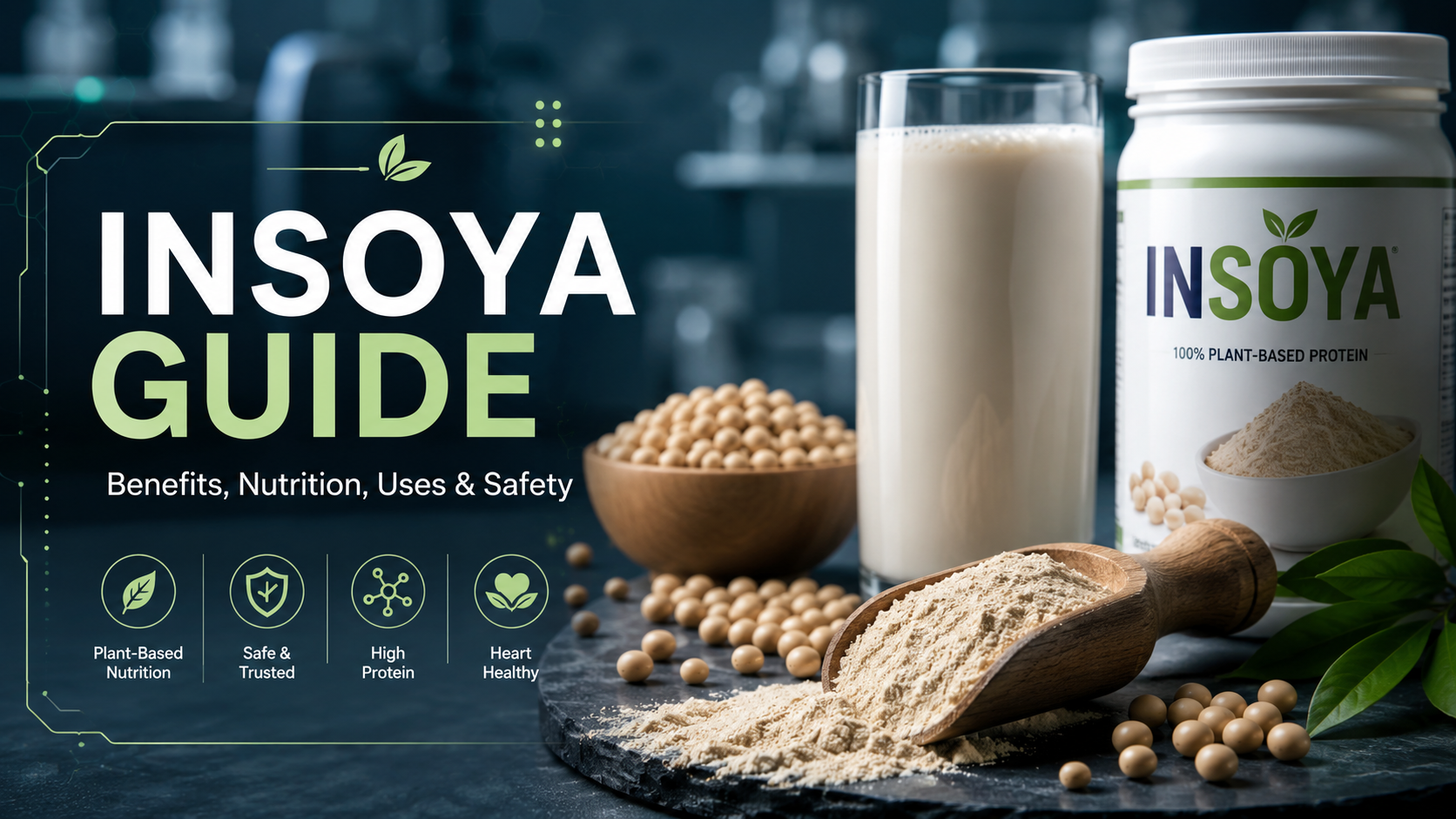
Table of Contents
ToggleInsoya: Complete Guide to Nutrition, Benefits, Uses & Safety (2026)
Introduction
Plant-based proteins have become one of the fastest-growing segments in modern nutrition. As more people shift toward vegetarian, vegan, or flexitarian lifestyles, interest in soy-based protein products continues to rise. One term that has recently started appearing across blogs, health websites, and food brands is Insoya.
However, unlike well-known soy products such as tofu, soy milk, or textured vegetable protein (TVP), Insoya does not currently have a universally accepted scientific or regulatory definition. Depending on the manufacturer, it may refer to soy protein isolate, textured soy protein, soy granules, or other processed soy-based ingredients.
Because the name isn’t standardized, it’s important to understand what Insoya likely represents, how it’s made, its nutritional value, potential health benefits, limitations, and whether it’s a good choice for your diet.
In this complete guide, we’ll examine everything currently known about Insoya while separating verified nutrition facts from marketing claims.
Table of Contents
- What Is Insoya?
- Why Is Insoya Becoming Popular?
- How Insoya Is Made
- Nutritional Profile of Insoya
- Health Benefits of Insoya
- Common Uses of Insoya
- Insoya vs Traditional Soy Products
- Insoya vs Other Protein Sources
- Advantages of Insoya
- Limitations of Insoya
- Safety Considerations
- How to Choose a Quality Insoya Product
- Frequently Asked Questions
- Final Verdict
What Is Insoya?
Insoya generally refers to a processed soy-based protein product created to provide high-quality plant protein with improved texture, convenience, and versatility.
Unlike traditional soybeans, Insoya products are usually processed to remove much of the fat while concentrating the protein. Manufacturers often market these products as convenient alternatives to meat or as protein-rich ingredients for everyday cooking.
Although the exact composition varies, Insoya products commonly include:
- Soy protein isolate
- Textured soy protein
- Soy granules
- Soy flour
- Protein powder
- Soy chunks
One important point is that there is currently no official international definition of Insoya. Different companies may use the name for different soy-based formulations, so consumers should always read ingredient labels carefully.
Why Is Insoya Becoming Popular?
Several global nutrition trends have contributed to the increasing popularity of products marketed as Insoya.
Rising Demand for Plant-Based Protein
Consumers are actively searching for alternatives to animal protein due to health, ethical, and environmental concerns. Soy remains one of the most researched plant proteins available.
Growth of Vegetarian and Vegan Diets
Millions of people worldwide now follow vegetarian or vegan eating patterns. High-protein soy products help meet daily protein requirements without consuming meat.
Affordable Source of Protein
Compared with many animal proteins, soy-based products are often more affordable while providing excellent nutritional value.
Convenience
Many Insoya products require minimal preparation, cook quickly, and have long shelf lives, making them suitable for busy households.
Sustainability
Producing soy protein generally requires fewer natural resources than producing many animal-based proteins, making it an environmentally friendly option when sourced responsibly.
How Is Insoya Made?
Although manufacturing processes vary between companies, most Insoya products follow similar production steps.
Soybean Selection
Manufacturers begin with carefully selected soybeans that are cleaned and dehulled to remove impurities.
Oil Extraction
Most of the soybean oil is removed, leaving defatted soy flour that contains concentrated protein.
Protein Concentration
The remaining protein is processed into soy protein concentrate or soy protein isolate depending on the desired product.
Texturization
Using heat, moisture, and pressure, manufacturers create the fibrous texture commonly found in soy chunks and meat substitutes.
Optional Fermentation
Some brands ferment soy before final processing to improve digestibility and reduce naturally occurring anti-nutritional compounds. However, this step is optional.
Drying and Packaging
Finally, the product is dried to extend shelf life before being packaged for retail sale.
Nutritional Profile of Insoya
Since there is no standardized Insoya formulation, nutrition varies by manufacturer.
Generally, soy-based protein products marketed as Insoya offer:
| Nutrient | Typical Characteristics |
|---|---|
| Protein | High |
| Fat | Low |
| Saturated Fat | Low |
| Cholesterol | None |
| Carbohydrates | Moderate |
| Fiber | Moderate |
| Essential Amino Acids | Complete Protein |
Many manufacturers also fortify products with nutrients such as:
- Iron
- Calcium
- Vitamin B12
- Zinc
- Magnesium
- Vitamin D
Because formulations differ, consumers should always rely on the nutrition label rather than general nutrition charts.
Health Benefits of Insoya
While no clinical studies specifically evaluate “Insoya” as a distinct product category, decades of research support the nutritional benefits of soy protein.
Complete Plant Protein
Soy is one of the few plant foods containing all nine essential amino acids, making it a complete protein comparable to many animal proteins.
This makes it suitable for:
- Vegetarians
- Vegans
- Athletes
- Older adults
- Individuals reducing meat consumption
Supports Muscle Growth and Recovery
Protein plays an essential role in building and repairing muscles.
Including soy protein in a balanced diet can support:
- Muscle maintenance
- Exercise recovery
- Healthy aging
- Lean body mass
May Support Heart Health
Replacing foods high in saturated fat with soy-based protein may contribute to better heart health as part of an overall healthy dietary pattern.
Soy protein may also help improve overall diet quality when replacing processed meats.
Helps With Weight Management
High-protein foods tend to increase feelings of fullness.
This may help:
- Reduce hunger
- Improve portion control
- Support healthy weight management
However, calorie balance remains the most important factor for weight loss.
Supports Bone Health
Some fortified Insoya products contain calcium and vitamin D, both of which are important for maintaining healthy bones.
Adequate protein intake also contributes to bone strength, particularly in older adults.
Blood Sugar Support
Meals rich in protein and fiber may slow digestion and help produce steadier blood sugar responses compared with highly refined carbohydrates.
Digestive Benefits
Some Insoya products contain added fiber or undergo fermentation, potentially improving digestibility for certain individuals.
Responses vary depending on product formulation and individual tolerance.
Common Uses of Insoya
One reason Insoya has gained popularity is its versatility.
It can be incorporated into many everyday recipes, including:
Main Meals
- Vegetable curries
- Stir-fries
- Rice dishes
- Pasta sauces
- Casseroles
Snacks
- Protein bars
- Roasted soy snacks
- Savory fillings
Drinks
- Protein shakes
- Smoothies
Meat Alternatives
- Burgers
- Meatballs
- Sausages
- Taco fillings
- Sandwich fillings
Because many products have a mild flavor, they absorb herbs, spices, and sauces very well.
Insoya vs Traditional Soy Products
| Feature | Insoya | Traditional Soy Products |
|---|---|---|
| Processing | Usually more refined | Often less processed |
| Flavor | Mild | Stronger soy flavor |
| Texture | Softer or meat-like | Varies |
| Cooking Time | Short | Moderate |
| Shelf Life | Long | Long |
| Protein Content | High | Moderate to High |
| Standard Definition | No | Yes |
Insoya vs Other Protein Sources
| Protein Source | Complete Protein | Plant-Based | Fat Content |
|---|---|---|---|
| Insoya | Yes | Yes | Low |
| Chicken | Yes | No | Moderate |
| Eggs | Yes | No | Moderate |
| Lentils | No | Yes | Very Low |
| Chickpeas | No | Yes | Low |
| Pea Protein | Nearly Complete | Yes | Low |
| Whey Protein | Yes | No | Low |
Advantages of Insoya
Some of the main benefits include:
- High-quality complete protein
- Cholesterol-free
- Low saturated fat
- Suitable for vegetarian and vegan diets
- Long shelf life
- Quick cooking
- Affordable protein source
- Versatile ingredient
- Environmentally friendly compared with many animal proteins
Limitations of Insoya
Despite its benefits, there are some drawbacks.
No Standard Definition
The biggest limitation is that the term “Insoya“ is not officially regulated.
Nutritional Differences
Products may vary considerably in protein content, sodium, fiber, and added ingredients.
Processing Level
Some versions undergo extensive industrial processing.
Added Ingredients
Certain brands may contain:
- Excess sodium
- Artificial flavors
- Stabilizers
- Preservatives
Soy Allergy
Individuals with soy allergies should avoid all soy-based products.
Safety Considerations
For most healthy adults, moderate soy consumption is considered safe.
However, several factors should be kept in mind.
Soy Allergy
People with soy allergies should completely avoid Insoya products.
Thyroid Conditions
Individuals taking thyroid medication should speak with their healthcare provider before significantly increasing soy intake, as meal timing may affect medication absorption.
Pregnancy and Breastfeeding
Current evidence generally supports moderate soy consumption during pregnancy and breastfeeding as part of a balanced diet, although personalized medical advice is always recommended.
Highly Processed Products
Consumers should carefully review nutrition labels to avoid products containing excessive sodium, sugars, or unnecessary additives.
How to Choose a Quality Insoya Product
When comparing products, consider the following factors.
High Protein Content
Look for products with a high percentage of protein per serving.
Simple Ingredient List
Choose products with fewer additives whenever possible.
Low Sodium
Avoid heavily salted varieties.
Minimal Added Sugar
Protein products should not contain excessive added sugars.
Fortified Nutrients
Products fortified with calcium, iron, or vitamin B12 may provide additional nutritional benefits.
Trusted Certifications
Third-party certifications can provide additional confidence in product quality.
Frequently Asked Questions (FAQs)
Is Insoya the same as soy protein?
Not exactly. Insoya is generally used as a marketing term for processed soy-based products, while soy protein is a scientifically recognized ingredient.
Is Insoya vegan?
Most products are plant-based, but always verify the ingredient list.
Is Insoya a complete protein?
Yes, if it is primarily made from soy protein.
Can Insoya replace meat?
Yes. Many people use soy protein as a meat substitute in balanced diets.
Is Insoya good for weight loss?
Its high protein content may increase satiety, but overall calorie intake remains the key factor.
Can I eat Insoya every day?
Most healthy adults can safely consume soy foods regularly unless they have a soy allergy or specific medical condition.
Does Insoya contain cholesterol?
No. Soy foods naturally contain no dietary cholesterol.
Is Insoya highly processed?
Some products are minimally processed, while others undergo extensive refinement. Always read the label.
Is fermented Insoya better?
Fermentation may improve digestibility for some individuals, but not all Insoya products are fermented.
Where can I buy Insoya?
Availability depends on your country. It may be available in supermarkets, health food stores, specialty retailers, or online marketplaces under different brand names.
Final Verdict
Insoya appears to represent a modern category of soy-based protein products developed for convenience, high protein content, and versatile cooking. Although the name itself is not officially standardized, many products marketed as Insoya share characteristics such as high-quality plant protein, low saturated fat, and adaptability in everyday meals.
The strongest scientific evidence comes from decades of research on soy protein rather than on Insoya specifically. Current research supports soy as one of the few complete plant proteins capable of contributing to muscle maintenance, heart health, and balanced nutrition when consumed as part of a healthy diet.
When purchasing an Insoya product, focus on the ingredient list, protein content, sodium levels, and overall nutritional quality rather than marketing claims. Choosing minimally processed options from reputable manufacturers is the best way to enjoy the nutritional benefits associated with soy-based protein products.
About the Author