Introduction
When homeowners, architects, and commercial property owners search for Acryldach, they are usually looking for one thing: a roofing solution that combines natural light, weather protection, durability, and modern aesthetics.
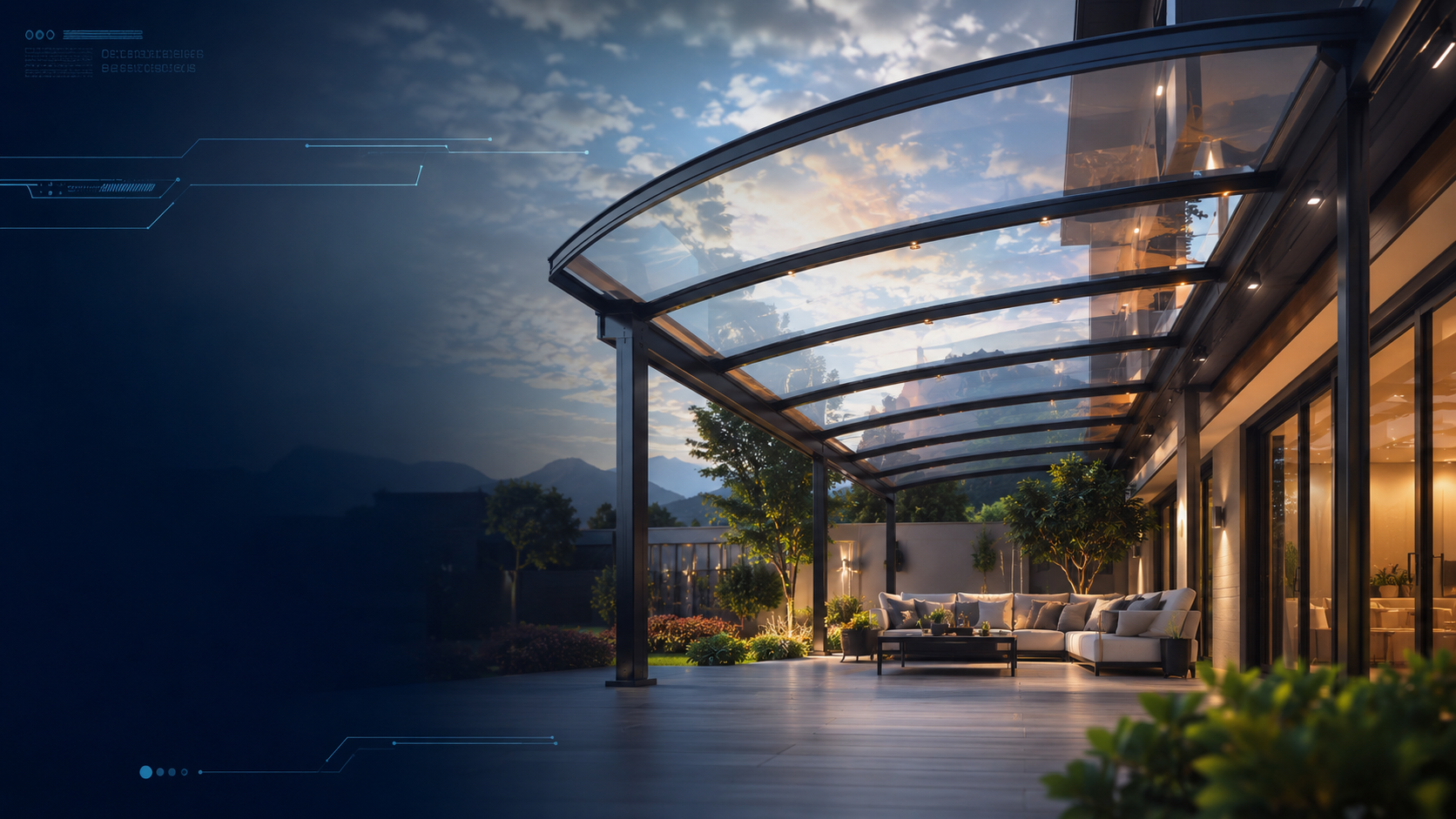
An Acryldach—commonly known as an acrylic roof or acrylic roofing system—has become increasingly popular in residential and commercial construction because it offers a unique balance between transparency and protection. Whether installed over a patio, terrace, conservatory, carport, entrance area, greenhouse, or commercial outdoor space, acrylic roofing creates bright, inviting environments without exposing occupants to rain, wind, or excessive environmental wear.
Yet many buyers quickly discover that choosing an acrylic roof is not as straightforward as it initially appears. Questions arise about durability, UV resistance, maintenance requirements, insulation performance, installation methods, costs, and how acrylic compares with alternatives such as polycarbonate, glass, or traditional roofing materials.
The challenge is that much of the information available online is fragmented. One source focuses on design, another on pricing, and another on technical specifications. Few provide a complete picture.
This guide brings everything together.
Whether you are planning a new outdoor living space, upgrading an aging patio cover, designing a modern architectural project, or simply researching roofing materials, understanding the strengths and limitations of an Acryldach can help you make a smarter long-term investment.
What Is an Acryldach?
The term Acryldach comes from the German words:
- Acryl (acrylic)
- Dach (roof)
It refers to roofing systems made primarily from acrylic sheets, often manufactured from polymethyl methacrylate (PMMA).
Acrylic roofing panels are engineered to provide:
- High transparency
- Excellent weather resistance
- UV protection
- Lightweight construction
- Long service life
Unlike opaque roofing materials, acrylic allows significant daylight transmission, creating bright, comfortable spaces underneath.
Because of this characteristic, acrylic roofs are frequently used in structures where natural light is desirable.
Common Applications
Acryldächer are often installed on:
- Patio covers
- Conservatories
- Pergolas
- Garden rooms
- Carports
- Walkways
- Greenhouses
- Commercial entrances
- Outdoor dining areas
- Retail spaces
The material offers a clean, contemporary appearance while reducing dependence on artificial lighting during daylight hours.
Why Acrylic Roofing Has Become So Popular
The popularity of acrylic roofing is driven by changing consumer expectations.
Property owners increasingly want spaces that feel open and connected to the outdoors while remaining protected from weather conditions.
An Acryldach helps achieve this balance.
Key Reasons for Growing Demand
Natural Light
One of the biggest advantages is exceptional light transmission.
High-quality acrylic sheets can transmit up to 90% or more of available daylight, creating bright and welcoming environments.
Modern Design Appeal
Acrylic roofing complements contemporary architecture.
Its clean lines and transparent appearance create an elegant aesthetic that works well with:
- Aluminum structures
- Steel frameworks
- Modern homes
- Minimalist landscaping
Weather Protection
While allowing sunlight through, acrylic effectively protects against:
- Rain
- Snow
- Wind
- Falling debris
Long-Term Durability
Modern acrylic panels are engineered to withstand years of outdoor exposure without significant deterioration.
Types of Acryldach Systems
Not all acrylic roofs are identical.
Different configurations serve different purposes.
Clear Acrylic Roofing
This is the most common option.
Benefits include:
- Maximum transparency
- Bright spaces
- Modern appearance
- Unobstructed views
Best for:
- Patios
- Conservatories
- Pergolas
Tinted Acrylic Roofing
Tinted panels reduce sunlight intensity.
Advantages include:
- Lower glare
- Improved comfort
- Enhanced privacy
- Contemporary appearance
Popular tint colors include:
- Bronze
- Gray
- Smoke
- Blue
Structured Acrylic Sheets
Structured or textured acrylic panels diffuse incoming light.
Benefits:
- Reduced glare
- Better privacy
- Softer illumination
- Decorative appearance
Multi-Wall Acrylic Panels
These panels contain multiple layers separated by air chambers.
Advantages include:
- Better insulation
- Improved energy efficiency
- Reduced heat loss
- Increased structural performance
Often used in:
- Greenhouses
- Conservatories
- Commercial applications
Major Benefits of an Acryldach
1. Excellent Light Transmission
Acrylic is among the clearest roofing materials available.
Natural daylight can significantly improve:
- Comfort
- Productivity
- Visual appeal
- Perceived space
Bright environments often feel larger and more inviting.
2. UV Resistance
Modern acrylic roofing typically incorporates UV-resistant technology.
Benefits include:
- Reduced yellowing
- Improved longevity
- Better appearance retention
- Protection for underlying spaces
This makes acrylic suitable for long-term outdoor installations.
3. Lightweight Construction
Compared with glass, acrylic is considerably lighter.
Advantages include:
| Feature | Acrylic | Glass |
|---|---|---|
| Weight | Low | High |
| Handling | Easier | More Difficult |
| Structural Load | Lower | Higher |
| Installation | Faster | Slower |
Lower weight can reduce structural requirements and installation complexity.
4. Strong Impact Resistance
Although not indestructible, acrylic is generally more impact-resistant than traditional glass.
It can better withstand:
- Hail
- Minor impacts
- Falling branches
- Everyday environmental stress
5. Attractive Appearance
Many homeowners choose acrylic roofing because of its elegant visual effect.
The transparency creates:
- Open spaces
- Contemporary design
- Premium appearance
- Architectural flexibility
6. Weather Resistance
A quality Acryldach can endure:
- Rain
- Frost
- Sun exposure
- Seasonal temperature fluctuations
When properly installed, it provides reliable year-round protection.
Potential Drawbacks of Acrylic Roofing
No roofing material is perfect.
Understanding limitations helps avoid disappointment.
Susceptibility to Scratching
Acrylic surfaces can scratch more easily than glass.
Care should be taken during:
- Cleaning
- Transportation
- Installation
Using non-abrasive cleaning materials is essential.
Thermal Expansion
Acrylic expands and contracts with temperature changes.
Proper installation must account for:
- Expansion gaps
- Flexible mounting systems
- Manufacturer recommendations
Ignoring this factor can lead to stress cracks.
Higher Cost Than Basic Plastic Roofing
Although generally less expensive than premium glass solutions, acrylic may cost more than basic PVC roofing options.
However, many buyers view the enhanced appearance and durability as worthwhile.
Acryldach vs Polycarbonate Roofing
One of the most common comparisons involves acrylic and polycarbonate.
Comparison Table
| Feature | Acrylic | Polycarbonate |
|---|---|---|
| Transparency | Excellent | Very Good |
| Clarity | Superior | Good |
| Impact Resistance | High | Extremely High |
| Scratch Resistance | Better | Lower |
| UV Stability | Excellent | Very Good |
| Appearance | Premium | Practical |
| Cost | Moderate to High | Moderate |
When Acrylic Is Better
Choose acrylic if you prioritize:
- Optical clarity
- Elegant appearance
- Long-term transparency
- Architectural aesthetics
When Polycarbonate Is Better
Choose polycarbonate if you prioritize:
- Maximum impact resistance
- Industrial applications
- Extreme weather durability
Acryldach vs Glass Roofing
Many buyers debate whether to choose acrylic or glass.
Glass Advantages
- Superior scratch resistance
- Luxury appearance
- Excellent longevity
Acrylic Advantages
- Lower weight
- Easier installation
- Lower structural demands
- Often lower total project cost
For many residential applications, acrylic offers an attractive balance of performance and affordability.
Typical Uses for Acryldach Systems
Patio Covers
Perhaps the most popular application.
Benefits include:
- Outdoor enjoyment during rain
- Natural light
- Extended living space
Conservatories
Acrylic roofing helps create bright indoor-outdoor environments while protecting occupants from weather conditions.
Carports
Vehicles remain protected from:
- Rain
- Snow
- UV exposure
- Tree debris
Without sacrificing natural light.
Greenhouses
Light transmission makes acrylic highly suitable for plant growth.
Benefits include:
- Sunlight penetration
- Weather protection
- Stable growing conditions
Commercial Spaces
Restaurants, cafes, and retail establishments frequently use acrylic roofing to create attractive customer environments.
How Much Does an Acryldach Cost?
Pricing varies significantly depending on:
- Material thickness
- Roof size
- Structural design
- Installation complexity
- Geographic location
General Cost Factors
Material Quality
Premium UV-resistant acrylic sheets cost more but often provide better long-term performance.
Thickness
Thicker panels typically offer:
- Better durability
- Improved rigidity
- Greater impact resistance
Support Structure
Costs increase when using:
- Aluminum frameworks
- Steel systems
- Custom architectural designs
Professional Installation
Professional installation ensures:
- Correct drainage
- Structural safety
- Thermal expansion allowances
- Manufacturer compliance
Installation Considerations
A successful acrylic roof installation depends on more than the material itself.
Proper Slope
Acrylic roofs require adequate slope for water drainage.
Poor drainage can cause:
- Water pooling
- Dirt accumulation
- Increased maintenance
Ventilation
Ventilation helps regulate temperature and moisture.
This is especially important for:
- Conservatories
- Enclosed outdoor rooms
- Greenhouses
Expansion Gaps
Because acrylic expands in heat, installers must allow movement space.
This is one of the most important technical requirements.
Secure Fastening Systems
Fasteners should be designed specifically for acrylic roofing systems.
Improper fastening can lead to:
- Cracking
- Stress damage
- Reduced lifespan
Maintenance and Cleaning
One reason many property owners appreciate acrylic roofing is relatively straightforward maintenance.
Cleaning Tips
Use:
- Soft cloths
- Mild soap
- Lukewarm water
Avoid:
- Abrasive pads
- Harsh chemicals
- Solvent-based cleaners
Routine Inspection Checklist
Inspect annually for:
Loose fasteners
Debris accumulation
Surface scratches
Seal condition
Drainage performance
Structural stability
Regular inspections help identify issues before they become expensive repairs.
Common Mistakes When Choosing an Acryldach
Buying Based Solely on Price
Cheaper products often sacrifice:
- UV protection
- Thickness
- Durability
- Optical quality
Ignoring Structural Requirements
The roof covering is only one part of the system.
The supporting structure must also be properly engineered.
Poor Installation
Even premium materials can fail when installed incorrectly.
Professional installation often pays for itself through improved longevity.
Choosing the Wrong Transparency Level
Maximum transparency is not always ideal.
In very sunny climates, tinted or textured panels may improve comfort.
Expert Insights: Is an Acryldach Worth the Investment?
For many property owners, the answer is yes.
The strongest value proposition comes from the combination of:
- Natural light
- Attractive design
- Weather protection
- Long service life
- Architectural versatility
An Acryldach transforms otherwise underutilized outdoor areas into functional, enjoyable spaces.
The return on investment is often measured not only financially but also through improved daily usability and property appeal.
Homes with thoughtfully designed outdoor living areas frequently enjoy stronger market attractiveness than comparable properties without such features.
Buying Checklist for an Acrylic Roof
Before purchasing, confirm the following:
Material Quality
- UV-resistant acrylic
- Reputable manufacturer
- Warranty coverage
Design Requirements
- Correct dimensions
- Appropriate thickness
- Desired transparency level
Structural Considerations
- Adequate support system
- Wind-load compliance
- Snow-load compliance
Installation
- Expansion allowance
- Proper drainage
- Professional fitting
Long-Term Maintenance
- Cleaning plan
- Inspection schedule
- Replacement part availability
Frequently Asked Questions (FAQ)
What is an Acryldach?
An Acryldach is a roofing system made from acrylic sheets designed to provide weather protection while allowing significant natural light transmission.
Is acrylic roofing durable?
Yes. High-quality acrylic roofing can provide many years of reliable performance when properly installed and maintained.
Does an Acryldach turn yellow over time?
Modern UV-resistant acrylic products are specifically engineered to minimize yellowing and maintain clarity for extended periods.
Is acrylic roofing better than glass?
Neither material is universally better. Acrylic is lighter and often easier to install, while glass offers superior scratch resistance and a premium appearance.
Can acrylic roofing withstand hail?
Quality acrylic panels generally offer strong impact resistance and can handle many hail events, though performance varies by product specification.
How often should an Acryldach be cleaned?
Most installations benefit from cleaning one to three times annually, depending on local environmental conditions.
Is acrylic roofing suitable for patios?
Yes. Patio covers are among the most common and successful applications for acrylic roofing systems.
Does acrylic roofing provide UV protection?
Most modern acrylic roofing products include UV-resistant properties that help protect both the material and the covered space.
Can I install an Acryldach myself?
Some systems are designed for DIY installation, but professional installation is recommended for larger or structurally complex projects.
How long does acrylic roofing last?
Lifespan depends on material quality, climate, installation, and maintenance, but premium systems can remain functional and visually appealing for many years.
Final Thoughts
An Acryldach occupies a unique position in modern construction. Few roofing materials combine transparency, weather resistance, lightweight performance, and visual appeal as effectively as acrylic. Whether used for a patio cover, conservatory, greenhouse, carport, or commercial outdoor area, it delivers an environment that feels open, bright, and protected at the same time.
The most successful projects begin with understanding the material rather than simply comparing prices. Factors such as UV protection, panel thickness, structural support, installation quality, and long-term maintenance all influence performance far more than many buyers realize.
For homeowners seeking a brighter outdoor living space or businesses looking to create inviting customer environments, an Acryldach remains one of the most practical and visually appealing roofing solutions available today. Its ability to blend functionality with modern architectural design is precisely why it continues to be a preferred choice across residential and commercial projects alike.
About the Author




1 thought on “Acryldach Explained: Benefits, Costs, Applications, and Everything You Need to Know Before Choosing an Acrylic Roof”