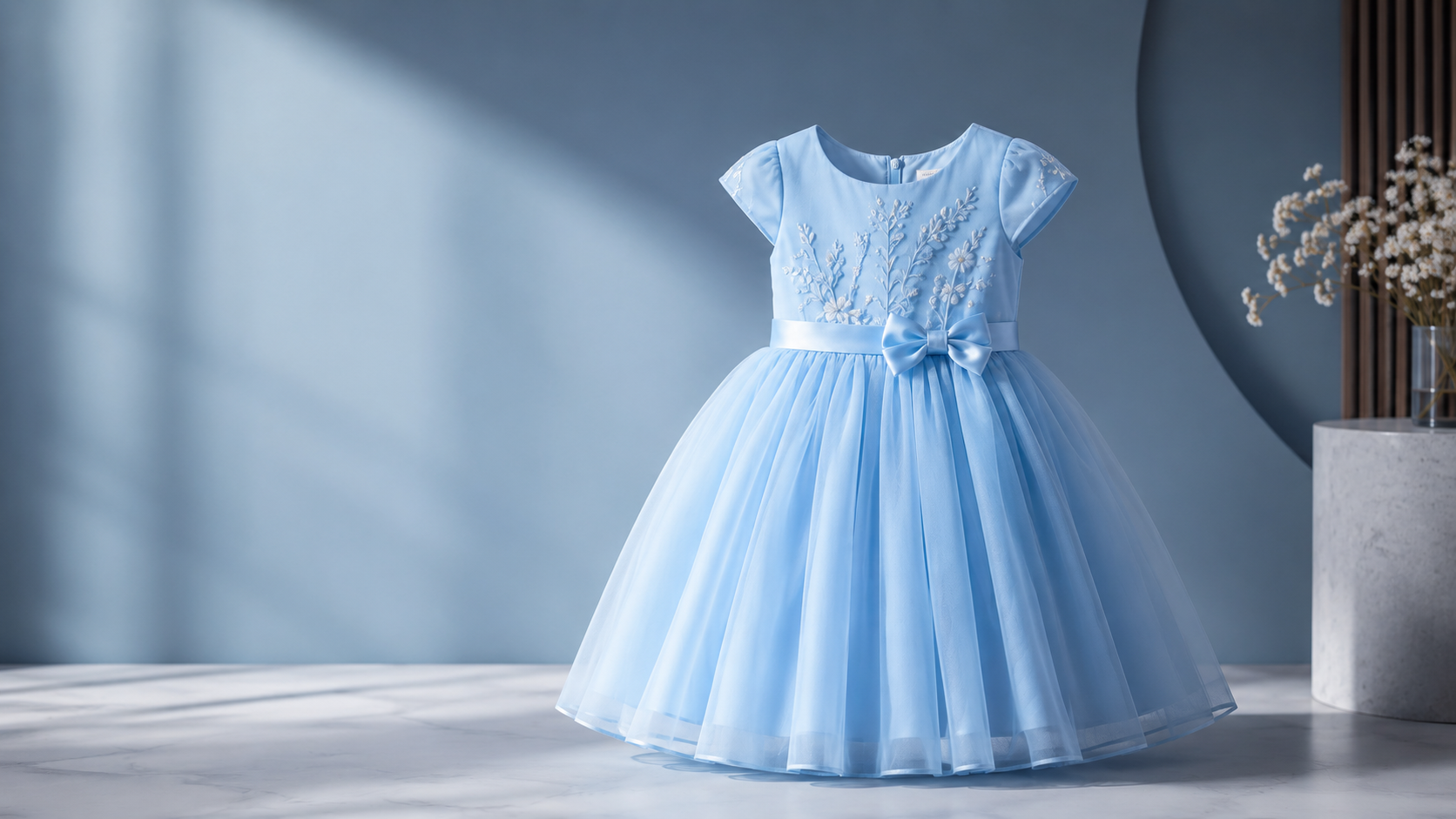
Baby Blue Dress Guide: How to Choose, Style, and Wear This Season’s Prettiest Pastel
A baby blue dress has a way of feeling both fresh and timeless at once. It’s soft enough to read as romantic, cool enough to look polished, and versatile enough to move from a garden wedding to a graduation stage without missing a beat. If you’ve been eyeing this shade but aren’t sure which silhouette, fabric, or occasion it suits best, this guide walks through everything you need to shop and style with confidence.
Why Baby Blue Works for Almost Everyone
Baby blue sits in a sweet spot between pastel blue and powder blue, light enough to feel airy but with enough depth that it doesn’t wash people out the way some pale shades can. Because it leans cool rather than warm, it tends to complement a wide range of skin tones, and it photographs beautifully in both daylight and evening light, which is part of why it shows up so often in prom and wedding guest wardrobes.
Unlike bolder colors, baby blue doesn’t compete with jewelry, makeup, or other accessories. It acts more like a canvas, which is why stylists often recommend it for people who want a “safe but special” color choice for a big event.
Popular Baby Blue Dress Styles
Baby Blue Maxi Dress
A baby blue maxi dress is a strong choice for outdoor weddings, beach vacations, and summer parties. The floor-length silhouette elongates the frame, and in breathable fabrics like cotton or chiffon, it stays comfortable even in warm weather.
Baby Blue Midi Dress
The midi length, typically falling between the knee and ankle, is one of the most office-friendly and versatile options. It works for daytime events, brunch, and semi-formal occasions where a full-length gown would feel like overkill.
Baby Blue Mini Dress
For parties, date nights, or casual summer outings, a baby blue mini dress delivers a youthful, playful energy. It pairs easily with sandals for daytime or heels for evening.
Baby Blue Bodycon Dress
A bodycon cut in baby blue is a go-to for cocktail parties and nights out. Because the color is soft, the fitted silhouette reads as chic rather than overly bold.
Baby Blue Satin Dress
Satin adds a subtle sheen that elevates baby blue into evening-gown territory. This fabric choice is popular for proms, formal dinners, and other occasions that call for a bit more shine.
Baby Blue Lace Dress
Lace detailing softens the look further, making it a favorite for bridesmaid dresses, garden weddings, and other romantic settings.
Baby Blue Floral Dress
Floral prints on a baby blue base bring in a spring or summer feel and work particularly well for casual daytime events, wedding guest outfits, and garden parties.
Choosing a Baby Blue Dress by Occasion
Weddings (as a guest): A baby blue midi or maxi dress in a lightweight fabric strikes the right balance between festive and appropriate. Avoid anything that could be mistaken for bridal white, and check the dress code before committing to a fully floor-length gown.
Prom or Formal Events: A baby blue prom dress in satin or with subtle embellishment tends to photograph well under stage lighting and stands out without being flashy. Floor-length silhouettes are the most traditional choice, though shorter formal dresses have become increasingly common.
Graduation: A baby blue graduation dress in a midi or knee-length cut is comfortable enough to sit through a long ceremony while still looking put together for photos afterward.
Casual Summer Days: A baby blue casual dress in cotton or linen blend is breathable and easy to dress up or down with sneakers, sandals, or espadrilles.
Cocktail Parties: A baby blue cocktail dress, often in a fitted or A-line silhouette, hits the right note of dressed-up without being formal-gown level.
How to Style a Baby Blue Dress
- Neutral accessories let the color lead. Nude, white, silver, or gold accessories tend to complement baby blue without competing with it.
- Metallics add polish. Gold jewelry warms the look up, while silver keeps it cool and modern.
- Consider your undertones. If you have cooler undertones, a true baby blue or powder blue will likely feel the most flattering. Warmer undertones may prefer a slightly deeper or more saturated blue for contrast.
- Layer thoughtfully for cooler weather. A baby blue long sleeve dress works well for transitional seasons, and a neutral coat or blazer keeps the color as the focal point.
- Match the fabric to the season. Satin and velvet suit fall and winter events, while cotton, linen, and chiffon are better suited to spring and summer.
Common Mistakes to Avoid
Ignoring the dress code. A baby blue formal dress and a baby blue casual dress serve very different purposes. Always check event expectations before choosing a silhouette or fabric.
Overdoing embellishment. Because baby blue is already a statement color for many people, pairing it with heavy sequins or excessive layering can look busy rather than elegant.
Wrong fit for the fabric. Lightweight fabrics like chiffon can look shapeless if the size runs too large, while satin can highlight fit issues more than other materials. Pay close attention to sizing charts before buying.
Forgetting undertone testing. Not every baby blue shade suits every skin tone in the same way. If shopping online, request fabric swatches when available or check the return policy before committing to a formal piece.
Baby Blue Dress vs. Other Blue Shades
| Shade | Best For | Overall Vibe |
|---|---|---|
| Baby blue | Weddings, prom, everyday wear | Soft, romantic, versatile |
| Sky blue | Casual daywear, summer outfits | Bright, cheerful |
| Powder blue | Formal and semi-formal events | Muted, sophisticated |
| Pale blue | Layering, minimalist looks | Understated, cool-toned |
While these shades often get used interchangeably in casual conversation, baby blue tends to sit slightly warmer and softer than powder blue, and less saturated than sky blue, which is part of why it reads as so universally flattering.
Final Thoughts
A baby blue dress is one of those wardrobe pieces that earns its keep across seasons and occasions. Whether you’re shopping for a baby blue wedding guest dress, a baby blue evening dress for a formal event, or simply a baby blue dress for women that works for everyday wear, the key is matching the silhouette and fabric to the occasion rather than choosing on color alone. Once you’ve nailed that pairing, baby blue does the rest of the work for you.
FAQ Section
What skin tones does a baby blue dress suit best? Baby blue tends to complement cool and neutral undertones especially well, though many warmer undertones can still wear it successfully by choosing a slightly deeper or more saturated version of the shade.
Is a baby blue dress appropriate for a wedding guest? Yes, in most cases, as long as it doesn’t resemble bridal white and follows the event’s specific dress code.
What shoes go with a baby blue dress? Nude, white, silver, or gold shoes are the most versatile options, since they complement the color without overpowering it.
Can I wear a baby blue dress in winter? Yes. Choosing a heavier fabric like velvet or satin, along with a neutral coat, makes baby blue easy to wear year-round.
What’s the difference between baby blue and powder blue? Powder blue is generally more muted and slightly grayer, while baby blue leans softer and marginally warmer, though the two are often used interchangeably.
Read Also: TikTok Story Viewer: How It Works, Privacy, Anonymous Viewing & Best Practices (2026 Guide)
About the Author




1 thought on “Baby Blue Dress Guide: How to Choose, Style, and Wear This Season’s Prettiest Pastel”