Holisticke Explained: The Complete Guide to Mind-Body Wellness, Balanced Living, and Holistic Health
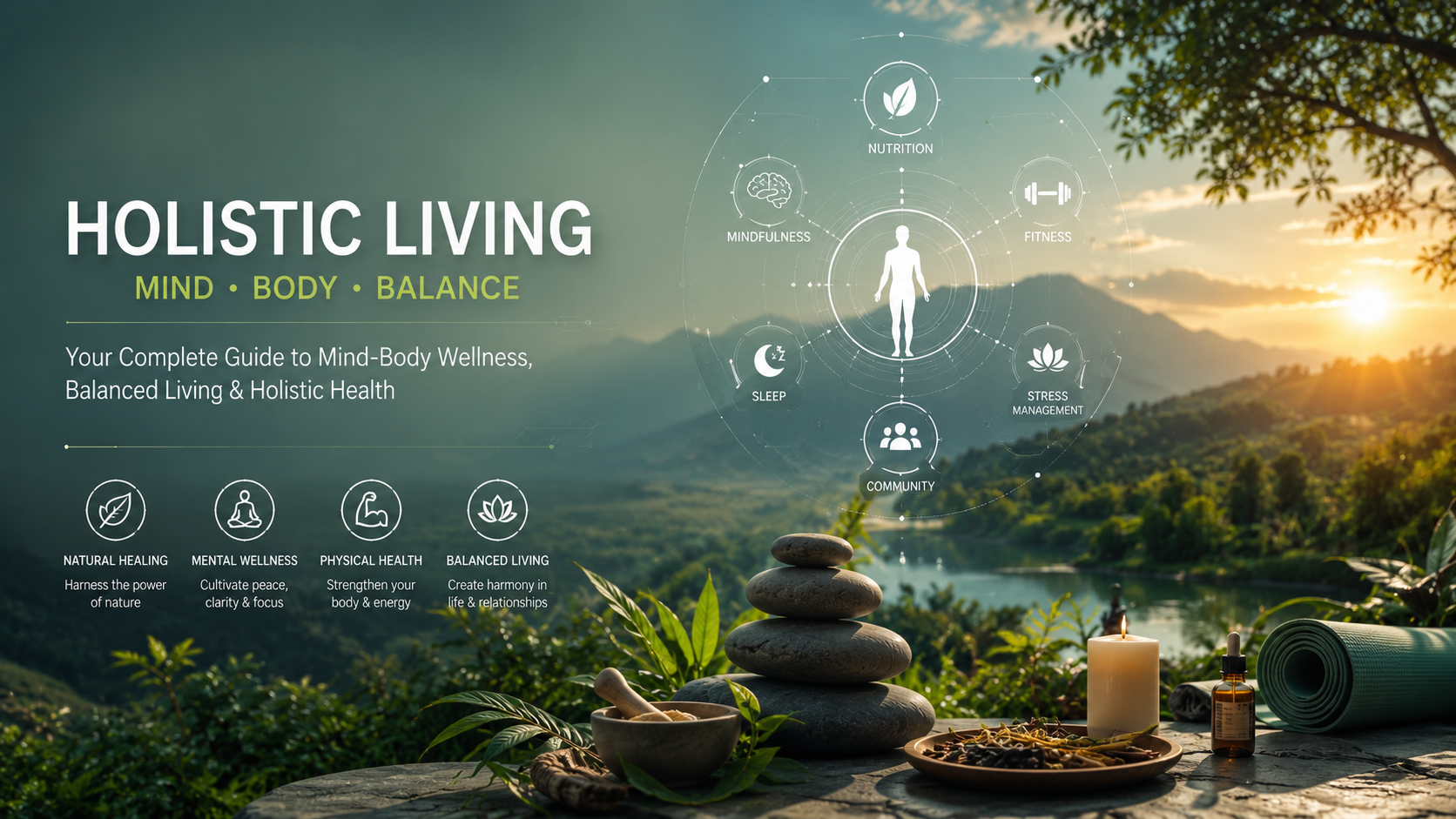
Table of Contents
ToggleIntroduction
The term Holisticke has recently appeared across wellness discussions, lifestyle blogs, and personal development communities. Yet many people encounter the word and immediately ask the same questions:
- What exactly is Holisticke?
- Is it a wellness method, a philosophy, or a lifestyle?
- How does it differ from traditional health approaches?
- Does it offer real benefits, or is it simply another wellness trend?
The growing interest in Holisticke reflects a broader shift in how people think about health. Instead of focusing solely on physical fitness or medical treatment, many individuals are searching for a more complete approach—one that addresses mental clarity, emotional resilience, physical vitality, lifestyle habits, and personal fulfillment together.
Across various discussions and publications, Holisticke is commonly described as a modern holistic wellness framework that emphasizes the interconnected relationship between mind, body, emotions, environment, and daily behaviors. Rather than treating health as a collection of separate issues, it encourages people to view wellbeing as a unified system.
This perspective resonates because modern life often creates fragmentation. People may exercise regularly while struggling with stress. Others may eat well but suffer from burnout. Some achieve professional success yet feel emotionally exhausted or disconnected from purpose.
Holisticke attempts to bridge those gaps.
The concept encourages a balanced lifestyle where physical health, mental wellness, emotional intelligence, mindfulness, and sustainable habits work together to support long-term wellbeing. Whether someone is looking to reduce stress, improve energy, build healthier routines, or create a greater sense of balance, Holisticke presents a framework designed to support the whole person rather than isolated symptoms.
Understanding how this philosophy works—and where it fits within modern wellness—can help people make informed decisions about integrating holistic practices into everyday life.
What Is Holisticke?
At its core, Holisticke represents a whole-person approach to wellbeing.
The philosophy is built around a simple but powerful idea:
Every aspect of human health influences every other aspect.
Physical health affects emotional wellbeing.
Mental stress impacts the body.
Lifestyle habits influence energy levels.
Relationships affect psychological health.
Environmental factors shape behavior.
Rather than separating these elements, Holisticke views them as interconnected components of a larger system.
This means that improving wellbeing often requires addressing multiple dimensions simultaneously rather than focusing on only one area.
For example:
| Traditional Approach | Holisticke Approach |
|---|---|
| Treat symptoms individually | Explore root causes |
| Focus primarily on physical health | Focus on mind, body, emotions, and lifestyle |
| Reactive problem-solving | Preventive wellness practices |
| Short-term fixes | Sustainable long-term habits |
| Isolated interventions | Integrated wellbeing strategies |
The objective is not perfection.
The objective is balance.
The Origins and Philosophy Behind Holisticke
The principles associated with Holisticke are rooted in broader holistic traditions that have existed for centuries.
Many ancient systems recognized the connection between physical health, mental state, emotional wellbeing, and spiritual awareness.
Examples include:
- Traditional Chinese Medicine
- Ayurveda
- Mindfulness traditions
- Natural wellness philosophies
- Integrative health practices
Holisticke appears to modernize these ideas for contemporary lifestyles by combining traditional holistic thinking with current wellness science and habit-based approaches.
Rather than promoting one specific technique, it functions more as a framework that can incorporate multiple wellness practices.
The Core Principles of Holisticke
1. Mind-Body Connection
One of the central foundations of Holisticke is the recognition that the mind and body constantly influence each other.
Stress can contribute to:
- Fatigue
- Sleep disruption
- Digestive issues
- Reduced immunity
Likewise, poor physical health can impact:
- Mood
- Focus
- Motivation
- Emotional regulation
Holisticke encourages individuals to understand these interactions rather than treating them as unrelated issues.
2. Preventive Wellness
Instead of waiting for problems to develop, Holisticke emphasizes prevention.
Preventive habits may include:
- Regular movement
- Healthy nutrition
- Sleep optimization
- Stress management
- Mindfulness practices
- Emotional self-awareness
Small daily actions often create significant long-term results.
3. Personal Responsibility
Holisticke encourages individuals to become active participants in their wellbeing journey.
This does not mean ignoring professional healthcare.
Instead, it means recognizing that daily choices have a profound influence on overall health.
Examples include:
- Food choices
- Physical activity
- Digital consumption
- Stress management habits
- Social relationships
4. Balance Rather Than Extremes
Many wellness trends rely on strict rules and rigid systems.
Holisticke generally promotes sustainability over intensity.
Instead of:
- Extreme diets
- Punishing exercise routines
- Unrealistic productivity expectations
The focus shifts toward consistency and balance.
5. Continuous Self-Awareness
Self-awareness is often considered a cornerstone of holistic wellbeing.
Individuals are encouraged to observe:
- Thought patterns
- Emotional triggers
- Energy levels
- Lifestyle habits
- Behavioral tendencies
Greater awareness often leads to better decision-making.
The Five Pillars of Holisticke Wellness
Physical Wellness
Physical wellbeing remains an essential part of Holisticke.
Key components include:
Nutrition
Balanced nutrition supports:
- Energy production
- Cognitive performance
- Immune function
- Mood regulation
Many Holisticke approaches encourage mindful eating rather than restrictive dieting.
Movement
Exercise is viewed as more than calorie burning.
Movement supports:
- Cardiovascular health
- Strength
- Mobility
- Mental wellbeing
- Stress reduction
Popular activities include:
- Walking
- Yoga
- Strength training
- Cycling
- Swimming
- Tai Chi
Recovery
Recovery is often overlooked.
Holisticke recognizes the importance of:
- Sleep
- Rest
- Relaxation
- Nervous system regulation
Mental Wellness
Mental wellbeing influences every area of life.
Holisticke encourages practices that improve:
- Focus
- Cognitive clarity
- Decision-making
- Emotional regulation
Common methods include:
- Journaling
- Meditation
- Reading
- Deep work practices
- Reflection exercises
Emotional Wellness
Many people underestimate emotional health until stress becomes overwhelming.
Holisticke places strong emphasis on:
- Emotional awareness
- Resilience
- Self-compassion
- Healthy communication
Emotional wellness supports healthier relationships and improved life satisfaction.
Spiritual Wellness
In Holisticke, spirituality is not necessarily religious.
Instead, it often refers to:
- Purpose
- Meaning
- Values
- Inner connection
- Personal growth
People may cultivate spiritual wellbeing through:
- Meditation
- Nature immersion
- Reflection
- Gratitude practices
- Community involvement
Environmental Wellness
The environment influences wellbeing more than many realize.
Factors include:
- Home organization
- Air quality
- Noise levels
- Digital environments
- Social surroundings
A supportive environment often makes healthy habits easier to maintain.
How Holisticke Works in Real Life
Many people assume holistic wellness requires dramatic lifestyle changes.
In practice, Holisticke often starts with small adjustments.
The Burned-Out Professional
Problem:
- Chronic stress
- Poor sleep
- Low energy
Holisticke Response:
- Improve sleep schedule
- Add daily walks
- Reduce evening screen exposure
- Practice mindfulness
- Improve nutrition
The combined effect addresses multiple contributing factors.
The Fitness Enthusiast
Problem:
- Strong physical health
- Persistent anxiety
Holisticke Response:
- Maintain exercise routine
- Add meditation
- Explore emotional triggers
- Improve work-life balance
Physical fitness alone may not resolve emotional stress.
The Student
Problem:
- Difficulty concentrating
- Mental fatigue
Holisticke Response:
- Better sleep hygiene
- Nutrition improvements
- Reduced multitasking
- Stress-management techniques
The solution extends beyond studying harder.
Benefits Commonly Associated With Holisticke
Individuals who adopt holistic wellness practices often report improvements in:
| Area | Potential Benefits |
|---|---|
| Physical Health | Better energy and fitness |
| Mental Health | Improved focus and clarity |
| Emotional Health | Greater resilience |
| Lifestyle | Healthier habits |
| Productivity | Enhanced performance |
| Relationships | Improved communication |
| Stress Management | Better coping skills |
| Wellbeing | Greater life satisfaction |
While outcomes vary, the integrated approach aims to create sustainable improvements across multiple areas of life.
Common Misconceptions About Holisticke
Myth 1: Holisticke Rejects Modern Medicine
Reality:
Most holistic frameworks are designed to complement—not replace—professional healthcare.
Myth 2: It’s Only About Meditation
Reality:
Meditation is only one component.
Holisticke often includes:
- Nutrition
- Exercise
- Sleep
- Emotional wellbeing
- Lifestyle optimization
Myth 3: It Requires Expensive Products
Reality:
Many holistic practices cost little or nothing.
Examples:
- Walking
- Journaling
- Mindfulness
- Sleep improvement
- Gratitude exercises
Myth 4: Results Happen Instantly
Reality:
Holisticke emphasizes gradual, sustainable progress rather than quick fixes.
How to Start Practicing Holisticke
Step 1: Assess Your Current Lifestyle
Ask yourself:
- How is my sleep?
- How is my stress level?
- How active am I?
- How healthy are my eating habits?
- How connected do I feel emotionally?
Step 2: Choose One Improvement Area
Avoid changing everything at once.
Start with:
- Sleep
- Nutrition
- Exercise
- Mindfulness
Choose the area creating the biggest challenge.
Step 3: Build Small Habits
Examples:
Walk 20 minutes daily
Drink more water
Meditate 5 minutes
Journal before bed
Maintain consistent sleep times
Step 4: Track Progress
Measure:
- Energy
- Mood
- Sleep quality
- Stress levels
- Productivity
Tracking helps identify what works.
Step 5: Expand Gradually
Once one habit becomes routine, add another.
This approach improves sustainability.
Expert Analysis: Why Holisticke Resonates With Modern Audiences
The popularity of Holisticke reflects a growing dissatisfaction with fragmented approaches to health.
Many people have discovered that focusing on one dimension alone rarely solves complex wellbeing challenges.
For example:
- Better nutrition may not eliminate burnout.
- Exercise may not address unresolved emotional stress.
- Productivity systems may not create life satisfaction.
Holisticke appeals because it recognizes complexity.
Human wellbeing is multidimensional.
The framework encourages people to consider how habits, emotions, thoughts, environment, and physical health interact with one another.
This systems-based perspective aligns closely with contemporary research into behavior change, stress management, and lifestyle medicine.
Practical Holisticke Checklist
Daily
- □ Drink adequate water
- □ Move your body
- □ Practice mindfulness
- □ Eat nourishing meals
- □ Spend time away from screens
Weekly
- □ Reflect on emotional wellbeing
- □ Connect with friends or family
- □ Spend time outdoors
- □ Review personal goals
Monthly
- □ Evaluate progress
- □ Identify stress triggers
- □ Adjust habits if necessary
Final Thoughts
Holisticke is best understood not as a single wellness technique but as a comprehensive philosophy of balanced living.
Its central message is straightforward: lasting wellbeing emerges when physical health, mental clarity, emotional resilience, lifestyle habits, and personal purpose are considered together rather than separately.
For some people, Holisticke may begin with better nutrition. For others, it may start with stress management, mindfulness, movement, or improved sleep. The specific path differs from person to person.
What remains consistent is the underlying principle that health is interconnected.
By encouraging awareness, balance, prevention, and sustainable habits, Holisticke offers a framework that many people find practical, adaptable, and relevant to modern life.
Frequently Asked Questions (FAQs)
What does Holisticke mean?
Holisticke generally refers to a holistic wellness philosophy that emphasizes the connection between mind, body, emotions, lifestyle, and overall wellbeing.
Is Holisticke a medical treatment?
No. Holisticke is typically presented as a wellness framework or lifestyle approach rather than a specific medical treatment. It is generally intended to complement professional healthcare rather than replace it.
What are the main principles of Holisticke?
Core principles often include balance, self-awareness, preventive wellness, mind-body connection, and sustainable lifestyle habits.
Can beginners practice Holisticke?
Yes. Most Holisticke practices can be adapted for beginners and often start with simple habits such as mindfulness, healthy eating, movement, and stress management.
Does Holisticke focus on spirituality?
Partly. Spiritual wellness may be included, but it is often described in terms of purpose, meaning, and personal growth rather than religion.
What benefits can Holisticke provide?
Potential benefits include improved energy, stress management, emotional resilience, mental clarity, and overall life balance.
How is Holisticke different from traditional wellness programs?
Traditional programs often focus on individual aspects of health, while Holisticke aims to integrate physical, mental, emotional, and lifestyle factors into a unified approach.
Is Holisticke backed by science?
Many practices commonly associated with Holisticke—such as exercise, mindfulness, stress management, healthy nutrition, and sleep optimization—have substantial scientific support, though the broader philosophy itself is more of an integrative wellness framework than a single scientific model.
Can Holisticke improve mental health?
Many of its recommended practices, including mindfulness, exercise, emotional awareness, and stress reduction techniques, may support mental wellbeing when used consistently.
How do I begin a Holisticke lifestyle?
Start small: improve sleep, increase physical activity, eat more mindfully, reduce chronic stress, and develop greater awareness of how daily habits affect your overall wellbeing.
About the Author





1 thought on “Holisticke Explained: The Complete Guide to Mind-Body Wellness, Balanced Living, and Holistic Health”